Exercise recovery tools are easiest to choose when you start with the day in front of you, since a rest day needs easy movement, sleep, and skin care at home. A training day needs support that stays comfortable while you move, and the same product rarely does both jobs well.
Shop recovery tools for your next training day
This guide does not rebuild a full readiness plan. If you want the bigger picture of sleep, fuel, and the next session, read the exercise recovery readiness framework. Use the steps below only to pick a tool.
What Exercise Recovery Tools Should Match First
Start with the job, not the gadget, because sleep, regular meals, fluids, and a sensible training plan still do most of the work between sessions. The National Academy of Sports Medicine treats light movement, not a gadget, as the between-session tool most people can actually repeat. A roll-on or a strip of tape is optional comfort support on top of that base.
Ask three questions before you add anything to the bag:
- Will you be moving hard, moving easy, or mostly resting?
- Do you need support that stays on, or a topical you apply and leave at home?
- Are you covering one small area, a wider area, or skin that feels dry after time outside?
Those answers sort the shelf faster than a long product list. Massage guns, compression boots, and cold plunges dominate many roundups. They also take space, power, and a budget most training weeks do not need. CannaTape Sport keeps the portable side of the routine: kinesiology tape, roll-ons, lotion, balm, and a few Systems that bundle them.
Match the tool to one day before you buy a second format. A training-day strip that you forget to remove is not a rest-day plan. A rich balm that you would never pack for a workout is not a training-day plan either.
Price is part of the choice, and it should stay specific rather than buried in a bundle claim. A single roll of Carbon Black or Cobalt Blue tape is the training-day staple, while Roll-On 900 is the smaller everyday bottle. Roll-On 2000 and Recovery Lotion 1000 cost more because the bottles carry more CBD, and the calming balm is priced as skin care rather than as a wearable. Check the live product page before you order, because a kit price changes when the pieces are bundled.
Also decide where the tool will live before you add it to an order. A rest-day lotion can stay on a bathroom shelf, while a training-day roll-on has to survive a bag, a car, and a gym floor. If you will not carry it, do not buy it as your training-day tool. And if you will not see it at home, do not buy it as your rest-day tool.
Which Tools Fit a Rest Day
A rest day still has a job, so keep the effort easy enough that you could talk the whole time. The National Academy of Sports Medicine describes active recovery as light movement you can sustain while holding a conversation, without turning the day into another hard session. A walk, an easy spin, or a short mobility flow is enough.
For the week around that easy day, the fitness recovery guide shows how to place rest beside harder work. This section only covers what to keep within reach once that day is set.
Easy movement, then a topical
Finish the easy session first, then use a topical if you want one. On a rest day you are usually at home, so a pump bottle or a small jar is practical.
- Recovery Lotion 1000 is a 4 oz pump with 1000 mg of broad-spectrum CBD. The texture is made for a wider area after activity.
- Skin Recovery & Calming Balm is a beeswax balm for dry, stressed skin. It is the better rest-day pick after wind, pool time, or a long day outside.
- Recovery Precision Roll-On 900 stays useful if you only want a small area. It is a 3 oz / 90 mL roll-on, so it also travels if the rest day is not at home.
Leave tape off unless you are heading into light movement and want it on for that walk or flow. A rest day is a good time to remove tape that has already done its wear window. The tape removal guide walks through a comfortable take-off.
Sleep still outranks every jar on the counter, so if the day is short, skip the extra product and protect bedtime.
A rest day is also the right time to reset the kit. Wipe the roll-on cap. Check how many pre-cut strips are left on the roll. Set the next training-day application aside only if you already know you will wear it. That five-minute reset keeps the training day from starting with a search through a crowded bag.
Keep the rest-day topical boring on purpose. One pump of lotion, or a small amount of balm, is plenty. You are not trying to cover every muscle you trained two days ago. You are keeping skin comfortable and closing the day. If you want more ideas for easy movement on that day, the active recovery workout list stays in its own lane. This page does not repeat those sessions.
Which Tools Fit a Training Day
A training day asks for support you can wear or apply before you leave. Skip any routine that needs a sink, a towel, and ten extra minutes in a busy locker room.
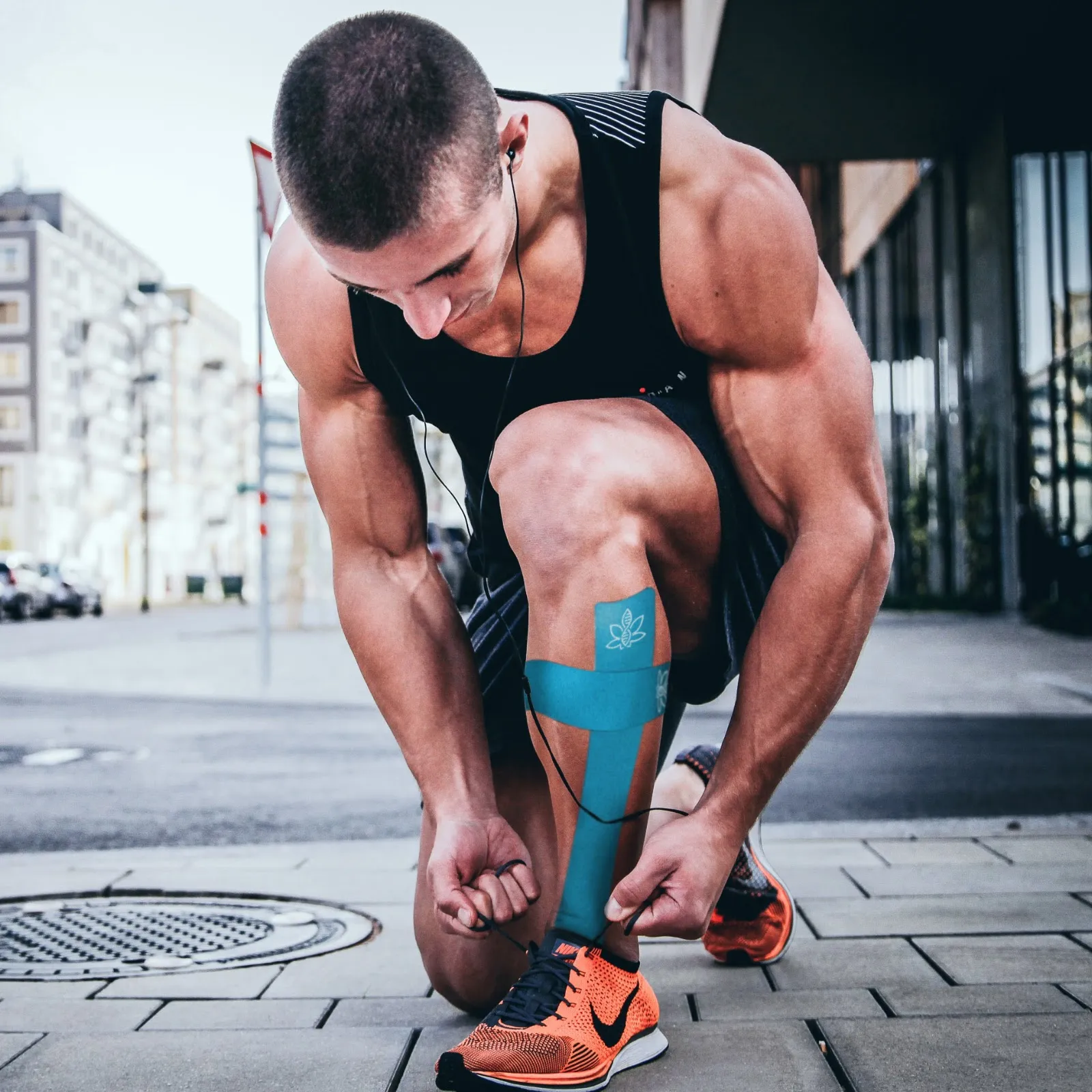
CannaTape Sport kinesiology tape is built for that window. Each strip has 10 mg of hemp-derived CBD. The adhesive is latex-free. The fabric is water-resistant, and the product page lists wear of up to five days. Remove it sooner if your skin feels irritated. Apply it to clean, dry skin and follow the directions for your area.
Color is a preference, not a different formula:
- Carbon Black kinesiology tape is the black option.
- Cobalt Blue kinesiology tape is the blue option.
Use a roll-on when you want support on a small area but do not want tape on for days. ProRecovery Precision Roll-On 2000 is the higher-potency 3 oz roll-on, with menthol and arnica, for post-session spots. The 900 roll-on is the lighter everyday bottle. For a closer look at those two topicals, read roll-on versus recovery lotion.
Put the bottle in the bag before you leave. The gym bag essentials guide shows how tape fits with the rest of what you already carry. If your week is mostly running, the Run Ready Kit pairs two tape rolls with the 2000 roll-on and a training shirt.
Use tape when the session includes repeat movement and you want the support to stay through the workout. Use the 2000 roll-on when you only care about one spot afterward, such as a forearm after grip work or a calf after hills. Use neither as a reason to add extra sets, because the tool rides along with the session you already planned.
Timing matters more than a second product, so apply tape before you warm up, on clean, dry skin, and give the adhesive a fair start. Keep the roll-on for after the session, when you can let it absorb before you dress. Layering both on the same spot at the same minute is how a simple bag turns into a messy one, so pick the format that matches the hour.
If the training week is long, do not invent a new tool every day. The long training block guide covers how to plan the block. Here, the rule is smaller: keep the same tape color and the same topical for the whole block unless skin or the schedule tells you to change.
Related products

High-potency, targeted application designed to deliver focused support exactly where you need it most
View product
Elevate your recovery strategy and maintain peak performance with the CannaTape Sport Recovery Kit.
View product
Elevate your recovery strategy and maintain peak performance with the CannaTape Sport Recovery Kit.
View productHow to Choose Exercise Recovery Tools by Day
Use one row. If two rows seem true, pick the day that is closer on the calendar and keep the other product at home.
| Day in front of you | Job of the tool | Start here | Leave this for later |
|---|---|---|---|
| Rest day at home. | Easy movement, then skin comfort. | Recovery Lotion 1000 or the calming balm. | A fresh tape application you will not wear. |
| Easy walk or mobility flow. | Light support you can ignore. | Roll-On 900, or tape already in its wear window. | A higher-potency roll-on you do not need yet. |
| Training day with repeat movement. | Support that stays put. | Carbon Black or Cobalt Blue tape. | A jar you would have to reopen mid-session. |
| Training day, one small area. | Targeted topical, no multi-day wear. | ProRecovery Roll-On 2000. | Tape on skin that is already irritated. |
| Rest day plus training day in one bag. | One kit for both jobs. | Complete Recovery Kit or Run Ready Kit. | A second system that repeats the same items. |
The sports recovery format guide goes deeper on wear time versus a portable topical. Use it if you are stuck between tape and a roll-on after the table. Do not add a third format until one of these has lived in your week.
Read a row like a shopping rule. Not a stack. "Start here" means the first product to try for that day. "Leave this for later" means an add-on that does not earn a place yet. If your week has three training days and one true rest day, you will lean on the tape row more often. If your week has two easy days at home, the lotion or balm row will get more use. The table is there so you do not buy the whole shelf for a single kind of day.
Coaches and training partners can use the same rows without building a clinic. A shared bag needs tape for the people who are about to train, and one topical for the people who are done. The shared recovery station guide covers the group setup. This article stays with the personal choice: one day, one job, one tool.
When a Kit Beats a Single Tool
Buy a single tool when you already know the day. Buy a kit when rest days and training days share one bag and you are tired of guessing at the counter.
The Complete Recovery Kit is the broadest set. It includes two rolls of kinesiology tape in Carbon Black or Cobalt Blue, one ProRecovery Precision Roll-On 2000, and one Recovery Lotion 1000. Tape covers the training day. The lotion covers the wider rest-day application. The roll-on covers a small area on either day.
Other Systems fit a narrower week:
- Yoga Flow Kit pairs two tape rolls with the calming balm, the 900 roll-on, and a yoga mat. It suits a week of flows more than a heavy training block.
- Pinnacle Club System pairs two tape rolls, the 2000 roll-on, Recovery Lotion 1000, and a quarter-zip. It fits cooler training days when you also want a layer.
The Complete Recovery System guide explains that broader set in more detail. The Run Ready Kit comparison helps if you would rather build a runner's bag yourself. Either way, one kit should replace a pile of overlapping products, not sit beside it.
Free U.S. ground shipping applies once an order reaches the threshold shown on the product page, and that method is USPS Ground Advantage. Expedited shipping stays paid. Check the cart before you assume a kit clears the threshold.
How to Use the Tool You Pick
A good choice still fails if the timing is sloppy, so keep the sequence short.
- Decide the day first: rest, easy movement, or training.
- Set sleep, fluids, and a normal meal before you open a product.
- On a training day, apply tape to clean, dry skin or pack the roll-on where you can reach it after the session.
- On a rest day, do the easy movement, then use lotion or balm if you still want it.
- Remove tape at the end of its wear window, or sooner if the skin is unhappy. Read the label before the next application.
Hemp-derived CBD in these products is non-intoxicating, with non-detectable THC. Third-party testing and batch COAs are published on the certificate of analysis page. That paperwork supports what is in the bottle or on the strip. It does not replace your own read of the label.
Stop and talk with a qualified professional if something feels unusual, persistent, or worse over several days. A tool is not a reason to keep a session that should change.
Two habits keep the routine honest over a full training week. First, name the day type next to the product: rest, easy, or training. Second, put the unused format away, because a counter full of open bottles usually means the choice was never made. One tape roll and one topical, used on the days they fit, will tell you more in two weeks than a new gadget will.
CannaTape Sport is a U.S. athletic recovery brand with a self-service shop. You do not need a consult to order. Read the page, match the day, and follow the label. If you want the brand story behind the products, the about page is the right stop. It is not a second buyer's guide.
Compare the Complete Recovery Kit
Frequently Asked Questions
What are exercise recovery tools for a normal training week?
For most active adults, the useful set is small. Sleep, meals, fluids, and easy movement come first. After that, latex-free kinesiology tape covers training days, while a lotion, balm, or roll-on covers rest days. You do not need a device that stays plugged in.
Should rest days and training days use the same product?
Usually no. Tape is the training-day tool because it is water-resistant and listed for wear up to five days. Lotion and balm fit a rest day at home because you can apply them and put them away. A roll-on is the overlap option when you want a small area on either day.
Which exercise recovery tools are worth packing in one bag?
Pack tape plus one topical. The Complete Recovery Kit does that with two tape rolls, the 2000 roll-on, and Recovery Lotion 1000. Runners who want a shirt in the same order can look at the Run Ready Kit instead. Leave the second system at home.
Do recovery tools replace sleep or a lighter session?
No. The National Academy of Sports Medicine puts light movement, nutrition, and rest ahead of devices, so use a CannaTape product only as comfort support around that plan. If the next session should be easier, make it easier.
How do I know the CBD amount before I buy?
Read the product page, not a general claim. Tape is 10 mg of hemp-derived CBD per strip. Roll-On 900 is 900 mg per 3 oz bottle. Roll-On 2000 is 2000 mg per 3 oz bottle. Recovery Lotion 1000 is 1000 mg of broad-spectrum CBD per 4 oz pump. The calming balm is a skin-care balm, so judge it by texture, not by a training-day wear claim.
Read the product label before you buy, and use the FDA disclaimer published on CannaTape Sport product pages. This Story is general education, not personal advice.
Match the tool to the day, follow the label, and keep the rest of the routine simple.
Sean Malloy, CannaTape Sport.