A well-planned training week is not built from hard sessions alone. The space between workouts gives you time to restore energy, reinforce consistent habits, and return ready for the next effort.
Fitness recovery works best as a repeatable routine that combines scheduled rest, lighter movement, quality sleep, balanced nutrition, hydration, and practical support for comfort and mobility.
Build a recovery routine that supports your training goals, not just your toughest workout.
The right approach will vary with your sport, schedule, training load, and experience. Start by understanding why recovery belongs in the plan itself, then use that foundation to shape rest days and lighter sessions that help you train with greater consistency.
Why Fitness Recovery Belongs in Every Training Plan
Training creates a useful challenge for the body, but the adaptation happens between sessions. Recovery gives you the time and resources to respond to that workload, rebuild your capacity, and return ready for the next effort. A review in the National Library of Medicine describes recovery as an essential part of training because it allows the body to adapt to exercise stress.
That idea applies whether you are preparing for a race, building strength, attending regular fitness classes, or simply trying to stay consistent with an active lifestyle. A thoughtful recovery routine is not a sign that you are doing less. It is part of the training plan that helps make your work repeatable.
Adaptation needs more than another hard session
It can be tempting to measure progress only by adding distance, weight, speed, or intensity. Yet stacking demanding sessions without enough recovery can make training feel increasingly difficult. Your performance may flatten, your motivation may drop, and normal tasks can start to feel more demanding than they should.
Rest days create space for sleep, meals, hydration, and low-intensity movement to support the next session. Sleep is especially important. It supports physical and psychological restoration, making it a foundational part of both recovery and athletic performance, according to the same review. When sleep is consistently short, even a well-designed training schedule becomes harder to follow.
Rest supports consistency and helps limit burnout
Rest is also a practical way to manage training load. The goal is not to avoid challenging work. The goal is to balance hard days with enough easier time that your routine remains sustainable. A review of overtraining explains that prolonged fatigue and reduced performance can develop when recovery is not structured, underscoring the value of planned rest days: read the research review.
Use your schedule as a guide, then pay attention to how you respond. A runner might place an easy mobility session after speed work. A CrossFit athlete may alternate demanding strength days with lower-intensity movement. A golfer or cyclist may plan a lighter day before the next long outing. These adjustments keep recovery connected to your goals and current training load rather than treating it as a one-size-fits-all rule.
Simple tools can make that routine easier to repeat. If you use kinesiology tape for support and mobility during active recovery, explore this guide to kinesiology tape for active recovery. Pair it with the basics first: adequate sleep, regular meals, hydration, and planned lighter sessions. That combination gives fitness recovery a clear place in your week and keeps the focus on long-term consistency.
How to Structure Rest Days and Recovery Days in Your Training Week
A strong training week is not a contest to see how many hard sessions you can fit into seven days. The goal is to create enough contrast between demanding work and lower-demand days so you can train consistently. Research on post-exercise recovery recommends strategies that are evidence-based and tailored to your goals and training load, rather than copied from someone else's schedule (PMC5932411).
- Start by identifying your key sessions. Choose the one to three workouts that matter most for your current goal. That might be a long run, interval session, heavy lower-body workout, or sport practice. Put those sessions on the calendar first, then protect the time around them. Avoid stacking several high-effort workouts simply because the days are available.
- Place a recovery day after your hardest effort. The day after a demanding session can be a complete rest day, an easy walk, gentle cycling, or a short mobility routine. Keep the intensity low enough that you finish feeling more prepared, not more drained. Active recovery can be useful when light movement fits your routine, but it should not become another challenging workout.
- Use lighter training between hard sessions. If you train five or six days per week, alternate demanding sessions with easy strength work, technique practice, mobility, or steady movement. For example, pair a hard run on Monday with mobility or an easy upper-body session on Tuesday, then schedule another demanding session on Wednesday or Thursday. This approach gives each training focus room to develop without making every day feel maximal.
- Schedule at least one true rest day. A true rest day means stepping away from structured training. Normal daily movement is fine, but skip the planned workout and give yourself permission to recharge. Structured recovery matters because prolonged fatigue and declining performance can signal that your current load is outpacing your ability to recover (PMC5932411).
- Adjust the week to your real workload. A busy workweek, poor sleep, travel, or an unusually demanding practice can change what your body can handle. If a session feels harder than expected, move the next hard workout back or turn it into a recovery day. Fitness recovery works best as a flexible system, not a rigid promise to complete every session at any cost.
- Review the pattern at the end of the week. Note which sessions felt productive, which days left you flat, and whether your easy days were genuinely easy. If you repeatedly struggle to feel ready for key workouts, add recovery time before adding more volume. A simple routine that you can repeat is more useful than an ambitious schedule that constantly needs repair.
Rest day vs. active recovery day: how they differ
| Element. | Rest day. | Active recovery day. |
|---|---|---|
| Typical intensity. | No structured training. | Low, easy movement that leaves you refreshed. |
| Examples. | Full day off, easy walking, recovery sleep. | Short walk, gentle cycling, mobility drills, relaxed stretching. |
| Best placed. | After your hardest session or before a key event. | The day after hard work, or as a lighter session between demanding days. |
| Purpose. | Full rest so your body can adapt to training stress. | Gentle movement that supports active recovery and daily comfort. |
| Effort feel. | No sense of a workout. | Easy enough that you finish feeling better, not drained. |
For runners building a practical recovery setup, the Run Ready Kit can complement a weekly plan. You can also explore how a complete recovery system brings training support, mobility, and post-workout habits into one repeatable routine.
Sleep, Nutrition, and Hydration: The Foundations of Fitness Recovery
Your training creates the stimulus, but your daily habits determine how well you are ready for the next session. Sleep, balanced nutrition, and hydration are not extras reserved for elite athletes. They are the quiet foundation of a consistent fitness recovery routine, whether you run before work, lift after school, or train for a weekend event.
Make sleep part of the program
Sleep is when your body and mind get meaningful time away from training demands. Research identifies adequate sleep as a foundational part of recovery and athletic performance, supporting physical and psychological restoration (review the research on sleep and athletic recovery). Instead of treating bedtime as whatever remains after the rest of your schedule, give it a place in your training plan.
Set a fairly consistent sleep and wake window, including on lighter training days. Build a short wind-down routine, dim screens before bed, and keep your room cool, dark, and comfortable. If an early workout is on the calendar, prepare clothing and equipment ahead of time so you are not trading away more sleep for morning preparation. A single short night happens. The goal is a repeatable pattern that supports your week.
Give your training the materials it needs
Food helps replenish the energy used during exercise and supplies nutrients for ongoing tissue maintenance. Protein is especially important after training because it supports muscle protein synthesis and repair (see the evidence on protein and exercise recovery). Include a quality protein source in regular meals and snacks, such as eggs, yogurt, fish, poultry, tofu, beans, or another option that fits your preferences.
Pair protein with carbohydrates, colorful produce, and satisfying fats rather than reducing recovery nutrition to one supplement or one post-workout meal. A simple routine works well: eat a balanced meal during the day, keep a practical snack available for busy sessions, and choose foods you can consistently prepare. Athletes with specific goals or dietary restrictions can work with a qualified nutrition professional to personalize portions and timing.
Hydrate before you feel behind
Hydration supports comfortable movement, focus, and the ability to train with consistency. Keep water accessible during the day, drink with meals, and take fluids to longer or hotter sessions. Afterward, replace what you used through normal drinking and a balanced meal. Sweat rate, weather, session length, and individual needs vary, so use thirst, urine color. And how you feel during training as practical cues rather than forcing a rigid number.
These basics also make topical recovery tools more useful as part of a bigger routine. After training, you might use Canna Tape Sport's CBD recovery lotion during a comfort-focused self-care routine, alongside sleep, food, fluids, and the rest your schedule requires. No single product replaces those foundations, but small, repeatable choices can make fitness recovery easier to maintain.
Related products

Elevate your recovery strategy and maintain peak performance with the CannaTape Sport Recovery Kit.
View product
Elevate your recovery strategy and maintain peak performance with the CannaTape Sport Recovery Kit.
View product
10 mg of Transdermal CBD (from Hemp) and White Willow Bark Extract per strip
View productActive Recovery and Mobility: Light Movement That Supports Your Routine
Active recovery gives you a way to stay in motion without asking for another hard training session. The goal is not to chase intensity. It is to keep your routine comfortable, maintain mobility, and create space for your body to adapt between demanding workouts. Research on post-exercise recovery describes light exercise as a strategy that can promote circulation and help reduce everyday muscle soreness after intense training (review the research on active recovery).
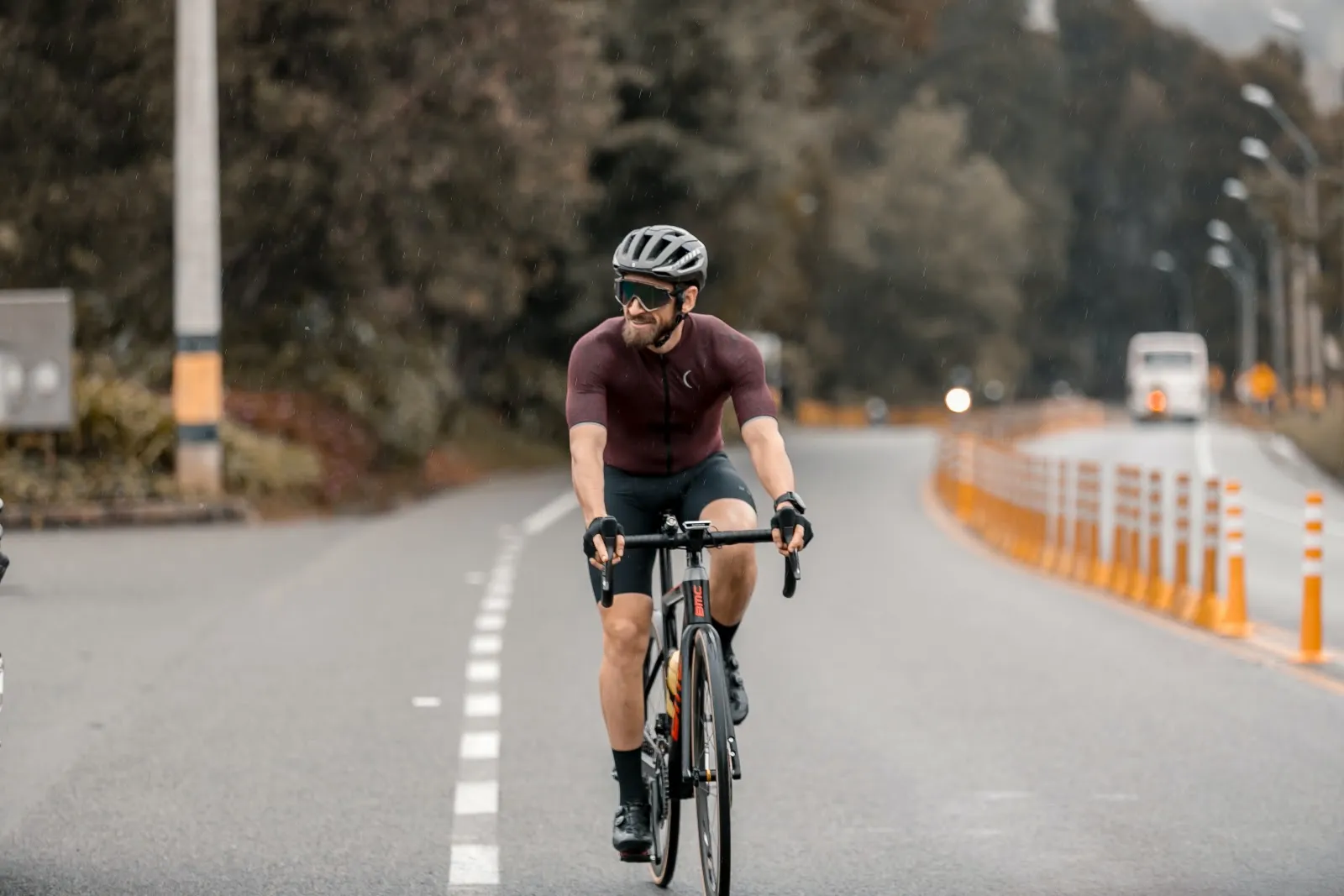
Choose movement that feels easy enough to sustain. A relaxed walk, gentle bike ride, or low-resistance session can raise your temperature and help you transition out of a sedentary recovery day. Keep the effort conversational. If you are breathing hard, adding speed, or turning the session into a test, scale it back. Active recovery should leave you feeling more prepared for your next training block, not more depleted.
Build a simple mobility menu
Mobility work can be short and specific. Runners may use ankle circles, calf mobility, and controlled hip movements. Cyclists can focus on the hips, upper back, and shoulders after time in a fixed position. Lifters and CrossFit athletes may prefer gentle range-of-motion drills for the joints they use most. Move slowly, stay within a comfortable range, and avoid forcing a stretch. Five to ten focused minutes can be more useful than an elaborate routine you will not repeat.
Stretching is another option, especially after an easy walk or ride. Use steady breathing and relaxed positions rather than bouncing or competing for a deeper range. Foam rolling can also fit into this routine. Treat it as a self-care tool for general comfort and body awareness, not as a replacement for rest, quality sleep, or a well-structured training plan. The best choice is the one that helps you move consistently and feels appropriate for your current workload.
Use kinesiology tape as a mobility support
Kinesiology tape can complement light movement when you want additional support during an active recovery session. Applied to clean, dry skin, tape can help you stay mindful of a movement pattern while you walk, cycle, stretch, or complete mobility drills. CannaTape Sport's CBD kinesiology tape is latex-free and hypoallergenic, with an application designed to wear for up to five days. Follow the product directions and remove it if your skin becomes uncomfortable.

Think of active recovery as one adjustable part of your fitness recovery plan. Pair light movement with rest, hydration, and adequate food, then adjust the duration and intensity to match your training load. That approach keeps recovery practical and makes mobility work easier to maintain week after week.
Recovery Tools: CBD Kinesiology Tape, Roll-Ons, and Balm in Your Routine
A consistent recovery routine is easier to maintain when your tools fit the way you train. CannaTape Sport products are designed to complement sleep, hydration, nutrition, mobility work, and well-planned rest. They can also help you build a practical post-workout ritual that travels from the gym to the trail, track, course, or office.
Choose support that matches the session
CBD kinesiology tape combines the familiar structure of high-performance kinesiology tape with hemp-derived CBD. It is designed for everyday muscle and joint support while you move, train, and recover. Each strip is hypoallergenic and latex-free, and it can be worn for up to five days when applied as directed. That longer wear time makes it a useful option when you want support to remain part of your routine beyond a single workout.
Use tape as one part of a broader plan, not as a substitute for rest or thoughtful training. Apply it before a run, strength session, class, or long day on your feet, and pair it with mobility work and comfortable movement. CannaTape Sport CBD kinesiology tape contains hemp-derived CBD and 0% THC, so it is non-intoxicating. Review the product information and applicable FDA disclaimer before use, especially if you have questions about CBD products.
Layer topical options into post-workout recovery
Topicals give you flexibility when your routine changes. A recovery roll-on is convenient for targeted application after training or while traveling. The roll-on format fits easily in a gym bag and supports a simple, no-mess recovery ritual. For larger areas, CBD recovery lotion offers an easy way to work a topical into your post-workout routine. The skin recovery balm provides another focused option for areas that need extra comfort and attention during an active week.
You do not need to use every product at once. A runner might choose tape before a training session, then keep a roll-on nearby for later. Someone focused on strength training may prefer lotion after a shower, while a cyclist or golfer may value a compact balm for travel. Start with the format that best suits your schedule, follow the label directions, and pay attention to how it fits your routine.
Build a repeatable system for active weeks.
The Run Ready Kit brings several training essentials together for runners, including two rolls of CannaTape Sport tape, the ProRecovery Precision Roll-On 2000, and the Pinnacle Training Tee in Whiteout. It is a practical starting point for athletes who want a more organized approach to training support. Whether you build a similar kit yourself or choose individual products, keep your recovery tools visible, accessible, and connected to habits you already follow. Consistency matters more than complexity.
Signs Your Body Is Telling You to Take a Recovery Day
A recovery day is not a setback. It is a practical adjustment that can help you return to training with better focus and steadier energy. The key is noticing patterns instead of waiting until your routine feels completely overwhelming. One unusually difficult session may simply be a tough day. Several changes at once are a useful reason to reduce intensity, choose light movement, or take a full day away from structured training.
Research on overtraining describes prolonged fatigue and lower performance as signs that a training plan may need more structured recovery. A review of recovery and overtraining also reinforces that recovery strategies should match the athlete, training load, and goal. Your response does not need to be dramatic. A quieter day can be the smart move that protects consistency over the next several sessions.
- Unusual fatigue that lasts beyond your normal post-workout tiredness.
- Poor sleep, restless nights, or waking without your usual energy.
- A heavy, sluggish feeling during warm-up or everyday movement.
- A dip in performance, such as reduced pace, strength, coordination, or stamina.
- Low motivation for training that normally feels enjoyable.
- Tightness that persists after mobility work and does not ease with your usual routine.
Look for clusters, not one isolated signal
These signals are most useful when they appear together or continue across more than one session. For example, a runner who sleeps poorly, feels unusually heavy on an easy jog, and sees a familiar pace become difficult. That athlete may benefit from swapping the next hard workout for a walk, gentle mobility, or complete rest. A strength athlete who cannot maintain normal technique, feels flat during warm-up, and has little interest in the session can use the same approach.
Keep the decision simple. If you feel noticeably different from your baseline, lower the load first. Skip intervals, reduce the number of sets, or take the day off. Use the time for sleep, regular meals, hydration, and comfortable mobility. Then reassess how you feel during the next warm-up rather than forcing a scheduled session because it is written on the calendar.
Make the recovery day supportive
A recovery day can still include the tools that make your routine feel more comfortable. A short walk, easy stretching, or a relaxed mobility flow may help you stay connected to movement without adding another demanding session. For targeted post-workout support, explore the recovery roll-on as part of your personal routine. Hemp-derived CBD products are non-intoxicating, and Canna Tape Sport recommends reviewing product information and the applicable FDA disclaimer before use.
Most importantly, do not treat a recovery day as lost progress. Fitness recovery is part of training, and learning when to ease up is a skill. When your energy, sleep, motivation, and performance return toward normal, resume gradually and let the quality of your next session guide the pace.
Frequently Asked Questions
What is the best way to approach fitness recovery?
Use a balanced routine that combines quality sleep, adequate nutrition and hydration, light movement, and planned rest. Adjust each piece to your training load, schedule, goals, and how you feel during the week. A recovery day does not have to mean complete inactivity. An easy walk, gentle mobility work, or relaxed stretching may help you stay comfortable without adding meaningful training stress.
How often should you schedule a recovery day?
Many training weeks benefit from at least one day devoted to rest or low-intensity movement, with additional lighter sessions when your workload rises. The right schedule depends on the number and intensity of your workouts. Place a recovery day after demanding sessions or before an important workout, then reassess your energy, sleep, motivation, and training quality before adding more work.
Why is fitness recovery important for performance?
Training provides the stimulus, while recovery gives your body time to adapt to that stimulus. Consistent sleep, food, hydration, and lower-intensity periods can help you return to training with better focus and readiness. Skipping recovery repeatedly can make it harder to maintain quality sessions, so planned downtime supports consistency as much as it supports individual workouts.
What can you do on an active recovery day?
Choose movement that feels easy and leaves you refreshed, such as walking, gentle cycling, mobility drills, or relaxed stretching. Keep the session shorter and less demanding than your regular training. You can also use this time to prepare meals, hydrate, organize your next week, and apply your preferred recovery products as part of a simple, repeatable routine.
Ready to Build Your Fitness Recovery Routine?
A consistent recovery routine can make it easier to support training, mobility, and everyday comfort across the week. Add a practical tool that fits your post-workout approach, whether you are planning a rest day or preparing for the next session. Shop CBD kinesiology tape from CannaTape Sport, then explore the recovery products that complement your active lifestyle.