Hard training creates opportunity. The work between sessions shapes consistent progress. A thoughtful recovery routine gives sleep, food, fluids, mobility, and lighter movement a place beside your runs, lifts, practices, and competitions.
Recovery for athletes works best as a repeatable training pillar, not a last-minute response to feeling worn down. Start with consistent sleep, balanced nutrition, individualized hydration, mobility work, and low-intensity movement. Then add practical recovery tools that fit your sport, schedule, and preferences.
Shop CannaTape Sport recovery support for your next training day.
The goal is not to make recovery complicated. It is to create a simple system that helps you arrive at the next session ready to train with purpose. The first step is understanding why recovery belongs beside every workout on your calendar.
Why Recovery for Athletes Is a Training Pillar
Training provides a stimulus. Recovery gives your body time and resources to respond to that stimulus. Every demanding run, strength session, interval workout, practice, or competition asks you to spend energy and attention. The next phase of progress happens when you allow enough time for adaptation, replenishment, and readiness.
That is why recovery for athletes should be planned before the week begins. It is not a sign that you are doing less. It is the part of the program that helps hard work remain repeatable. A runner may protect an easier day after intervals. A CrossFit athlete may alternate demanding lifts with lower-intensity movement. A cyclist may build food, fluids, and sleep around a long ride. The details change, but the principle remains the same.
Training stress needs a deliberate response
A review available through the National Library of Medicine describes recovery as an essential part of adapting to exercise. Another review notes that prolonged fatigue and declining performance can arise when training demands repeatedly exceed available recovery. Together, these findings support a practical conclusion: do not wait for your routine to break before you make room for restoration.
Measure recovery by more than one signal. Consider sleep quality, energy, mood, comfortable movement, mobility, and how prepared you feel during warm-up. One difficult session may simply be a difficult day. A pattern across several sessions deserves a thoughtful adjustment to training load or recovery time.
Build the base before buying more tools
Recovery devices can be useful, but they cannot replace a consistent bedtime, enough food, adequate fluids, or a sensible training schedule. Start with the habits you can repeat during a busy workweek and during a demanding competition block. Once that base is reliable, choose tools that make the routine easier to follow rather than adding complexity for its own sake.
How Sleep Supports the Recovery Process
Sleep is one of the most powerful recovery resources available to an athlete. It gives your body an uninterrupted period away from training demands and gives your mind a chance to reset for the next session. A practical recovery plan should protect sleep with the same care you use to protect a key workout.
Mass General Brigham's athlete recovery guidance identifies seven to nine hours as a useful range for many athletes. Your needs can vary with age, training volume, travel, competition, and daily responsibilities, so use the range as a starting point rather than a rigid rule.
Make sleep easier to repeat
- Keep your bedtime and wake time within a similar window on most days.
- Create a short wind-down routine with dim lighting, reading, breathing, or gentle mobility.
- Keep your bedroom cool, dark, and quiet when possible.
- Prepare clothing, food, and training gear before bed so early sessions do not reduce sleep.
- Plan an earlier bedtime during high-volume weeks, travel, or competition periods.
Do not judge one night in isolation. Look for patterns across a week. If a demanding training block repeatedly leaves you unfocused or unusually tired, review sleep before adding another device or supplement. Better sleep also makes it easier to follow the other recovery habits that support consistent training.
Nutrition and Hydration for Consistent Training
Training uses energy and leaves your body with work to do between sessions. Nutrition and hydration help you replenish what the session required and prepare for the next effort. For recovery for athletes, the best approach is usually simple, regular, and matched to the demands of the day.
Pair protein with carbohydrates
After a demanding session, a meal or snack that combines protein and carbohydrates is a practical choice. Carbohydrates help replenish stored training fuel. Protein provides building blocks that support muscle repair and adaptation. The timing and amount depend on your schedule, appetite, sport, and next session, but the basic pairing is easy to use.
Try yogurt with fruit and oats, eggs with whole-grain toast, rice with chicken or tofu, beans with grains, or a smoothie with milk or a fortified alternative. Choose foods you enjoy and can prepare consistently. Athletes with specific nutrition goals or dietary restrictions can work with a qualified sports nutrition professional to personalize portions and timing.
Hydrate across the day
Hydration needs vary with session length, intensity, temperature, humidity, clothing, and individual sweat rate. A short indoor session creates a different demand from a long run on a hot afternoon. Keep water available, drink with meals, and bring fluids to longer or warmer sessions. After training, replace fluids through normal drinking and a balanced meal.
For longer efforts or heavy sweating, an electrolyte-containing drink may fit the plan. Avoid copying another athlete's exact routine without considering your own conditions. Thirst, session length, weather, and how you feel while training offer useful practical cues. Consistency matters more than chasing a perfect number.
Plan the recovery meal before the workout
Decisions are harder when you finish a demanding session tired and hungry. Prepare a recovery meal or snack before training so the next step is already clear. Keep convenient options in your gym bag, car, or kitchen. This small bit of planning turns nutrition from an afterthought into a dependable part of your weekly system.
Active Recovery and Mobility Between Hard Sessions
Recovery does not always mean complete stillness. Low-intensity movement can help you transition from a demanding session to the next day while keeping effort deliberately easy. Walking, gentle cycling, relaxed swimming, light yoga, and focused mobility work can all fit when they leave you feeling more prepared rather than more depleted.
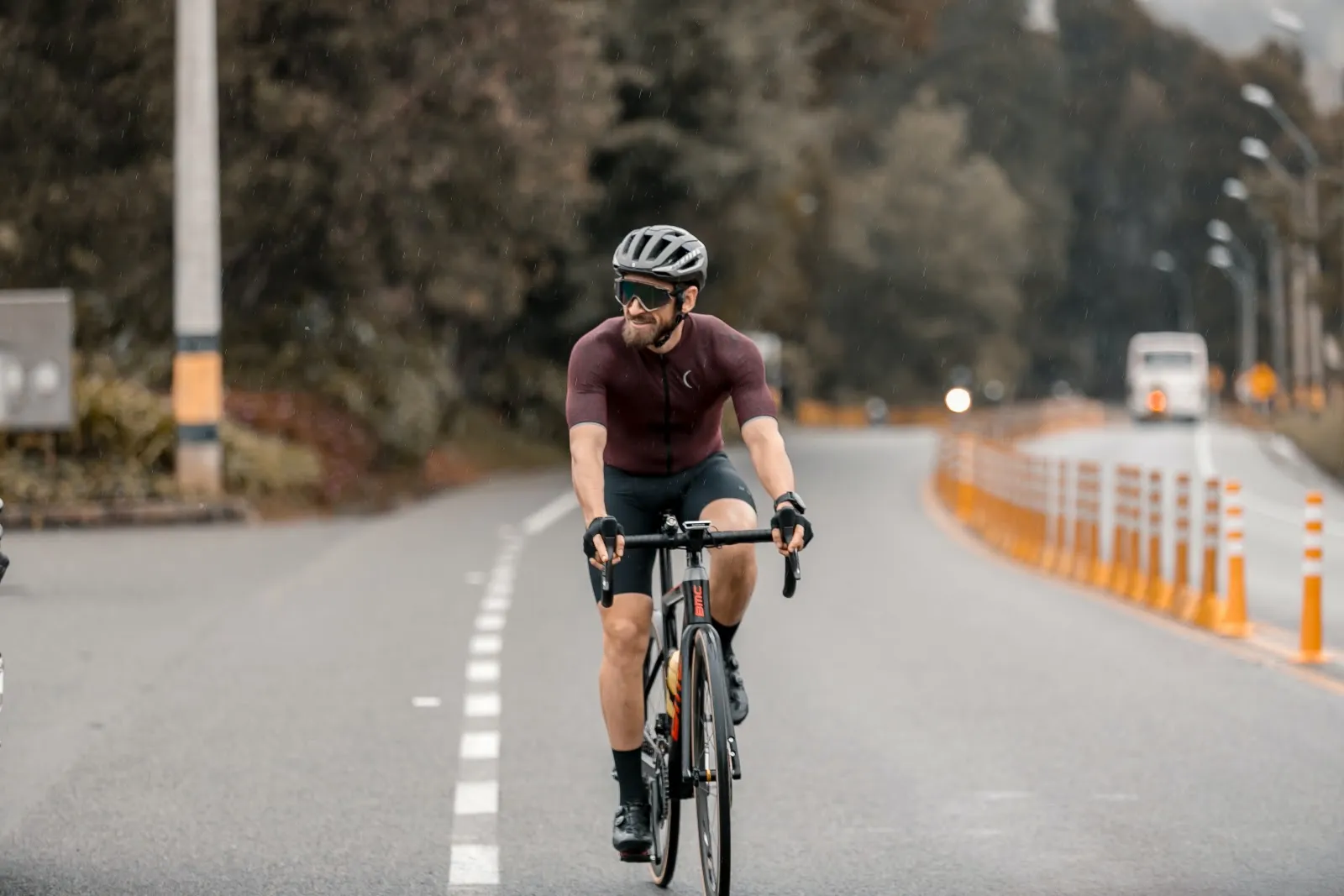
Keep active recovery genuinely easy
- Walk for 20 to 30 minutes at a conversational pace.
- Cycle with light resistance on a flat route or stationary bike.
- Swim relaxed laps with generous rest and no pace target.
- Use a gentle mobility flow that mirrors the positions of your sport.
- Finish with calm breathing and a brief check-in about energy and comfort.
The session should not become another fitness test. If breathing becomes labored, technique changes, or fatigue rises, reduce the duration or choose a full rest day. A review of recovery strategies in the National Library of Medicine supports matching recovery choices to the athlete, the training load, and the phase of the season.
Use mobility work with a purpose
Mobility work does not need to be long. Runners may focus on ankles, calves, hips, and upper back. Cyclists may choose movements that offset time in a fixed position. Lifters may use controlled range-of-motion drills for the joints they load most often. Move slowly, stay within a comfortable range, and avoid forcing a deeper position.
Foam rolling can complement this routine when you enjoy it and it helps you move comfortably. Use moderate pressure and a short duration that you can repeat. The best mobility plan is not the most elaborate one. It is the one that fits your week and supports your next purposeful session.
Recovery Pillars At a Glance
A balanced plan combines several small choices. Use this quick comparison to decide what deserves attention first.
| Recovery pillar | Practical focus | When to prioritize it |
|---|---|---|
| Sleep | Keep a regular sleep window and protect enough time to rest. | Every training phase, especially during heavy weeks. |
| Nutrition and hydration | Pair protein and carbohydrates, and match fluids to the session. | After demanding or long training. |
| Mobility and active recovery | Use easy movement and comfortable range-of-motion work. | Between hard sessions or on lighter days. |
| Practical tools | Choose products that fit your sport, schedule, and preferences. | After fundamentals are consistent. |
Learn more about a compact CannaTape Sport recovery option for your training kit.
Related products

High-potency, targeted application designed to deliver focused support exactly where you need it most
View product
Targeted support for muscles and joints to help maintain stability and confidence during movement
View product
Elevate your recovery strategy and maintain peak performance with the CannaTape Sport Recovery Kit.
View productHow to Build a Weekly Recovery for Athletes Plan
A weekly plan makes recovery visible. Instead of hoping you find time after every workout, place the basics on the calendar before the week gets busy. The schedule should be flexible enough to respond to travel, work, competition, and changes in training load.
- Mark the key sessions. Identify the one to three workouts that matter most for your current goal. Place those sessions first, then protect the lower-demand periods around them.
- Assign sleep windows. Work backward from early workouts and set a bedtime that makes the week sustainable. Make sleep part of the program rather than leftover time.
- Prepare food and fluids. Plan meals, snacks, and hydration around demanding sessions. Keep a simple post-workout option ready before you begin.
- Schedule lighter movement. Add an easy walk, relaxed cycle, mobility session, or gentle swim between harder days when it leaves you refreshed.
- Keep one true rest period. Step away from structured training when your week needs a quieter reset. Normal daily movement is fine, but do not turn every rest day into hidden training.
- Review your response. Note sleep, energy, mobility, mood, and readiness during the week. If several signals trend down, reduce the next demand or add recovery time.
Recovery needs can change with the season. In-season athletes may prioritize readiness between competitions. An off-season block may offer more room for adaptation and skill development. Athletes over 50 may also prefer more time between demanding sessions and extra attention to comfortable joint movement. The right plan is personal, but it should always be practical enough to repeat.
Recovery Tools That Complement the Fundamentals
Once sleep, nutrition, hydration, mobility, and training structure are in place, practical tools can make recovery easier to maintain. CannaTape Sport positions its products for athletes and active people who want support that fits around training, travel, and everyday movement.

Choose a format that fits your week
CBD kinesiology tape combines high-performance kinesiology tape with hemp-derived CBD. Each strip contains 10mg of CBD, uses a hypoallergenic latex-free adhesive. And can be worn for up to five days when applied as directed and comfortable on the skin. It is available in black and blue. Use it as one part of a broader routine, not as a replacement for sleep, food, fluids, or thoughtful training.
For a compact post-workout option, the CBD recovery roll-on fits easily in a gym bag or travel kit. The CBD Recovery Lotion 1000 offers a broader application format, while the CBD Skin Recovery Calming Balm gives active people another focused topical option.
CannaTape Sport products use hemp-derived CBD and are non-intoxicating. Review product directions, ingredient details, available third-party testing, and Certificates of Analysis before adding any CBD product to your routine. Competition rules can vary, so tested athletes should also review the current requirements for their sport and governing body. Product information is educational and does not replace individualized professional guidance.
Build a kit you will actually use
The Run Ready Kit brings together two rolls of CannaTape Sport tape, the ProRecovery Precision Roll-On 2000, and the Pinnacle Training Tee in Whiteout. It can serve as an organized starting point for runners who want their training support in one place. You can also build your own kit around the products and habits that fit your sport.
The priority is consistency. Keep your recovery tools beside your training gear, decide when you will use them, and pair them with habits that already work. A simple routine used often is more valuable than a complicated stack that stays in a drawer.
When to Adjust Your Training and Take More Recovery Time
Learning to adjust is part of becoming a durable athlete. Watch for clusters of signals rather than reacting to one difficult day. Several nights of poor sleep, unusual fatigue, a drop in performance, reduced motivation. Or a warm-up that feels heavier than usual can all be reasons to lower the next demand.
- Your normal easy pace or load feels unusually difficult.
- Sleep quality has declined for several nights.
- Energy or motivation stays lower than your usual baseline.
- Mobility feels limited during a familiar warm-up.
- Your technique or coordination changes as a session progresses.
- You are carrying fatigue from one session into the next.
Try reducing volume, replacing intervals with easy movement, moving a hard session later, or taking a complete rest day. A qualified professional can help when symptoms are sudden, severe, unusual, or do not improve with ordinary rest. Recovery for athletes is not about forcing every planned session. It is about making decisions that protect the quality and consistency of the wider plan.
Explore CannaTape Sport gear and recovery support for your routine.
Frequently Asked Questions About Recovery for Athletes
What is the best recovery for athletes?
The best approach is consistent and well-rounded. Prioritize sleep, balanced nutrition, individualized hydration, mobility work, and lighter movement between demanding sessions. Add tools only after those basics are in place, and adjust the plan to your sport, schedule, training load, and current readiness.
How do professional athletes recover so quickly?
Most professional athletes rely on structure rather than one secret method. Their routines coordinate training load, sleep, meals, fluids, mobility, lighter sessions, and rest. Coaches and support teams then adjust those pieces around travel, competition, and the season. The useful lesson is consistency, not copying a professional's exact schedule.
What are good recovery options for athletes?
Good options include quality sleep, a balanced post-workout meal, regular hydration, walking, easy cycling, relaxed swimming, mobility work, foam rolling, and planned rest. Kinesiology tape and CBD topicals can complement those habits when they fit your preferences and product directions. Choose options you can use consistently.
Should athletes rest completely or use active recovery?
It depends on the session and how you feel. Easy movement can fit after ordinary training fatigue when it leaves you refreshed. Complete rest is more appropriate when movement feels unsafe, fatigue is unusually high, or a qualified professional recommends it. Active recovery should support the plan, not become another demanding workout.
How can I start a recovery routine this week?
Choose a consistent sleep window, prepare one reliable post-workout meal, keep fluids available, schedule one lighter movement session, and protect one true rest period. Track how you feel at the next session. Once those habits are repeatable, add the recovery tools that fit your sport and schedule.
The strongest recovery routine is the one you can return to week after week. Keep the fundamentals visible, make the next step simple, and let your training goals guide the details.
Build Your Recovery Routine With CannaTape Sport
Recovery is not a single action at the end of a workout. It is the combination of choices that helps you sleep, refuel, move comfortably, and arrive ready for the next session. Start with the fundamentals, then choose practical support that fits your active lifestyle.
Explore CannaTape Sport CBD kinesiology tape and build a recovery for athletes routine that supports consistent training.