A practical recovery routine for pickleball players is simple: wind down gradually, move comfortably, hydrate and eat as you normally would, then give yourself time before the next hard session. Mobility is one useful part of that plan, not a contest to stretch as far as possible. Build a repeatable routine around how long you played, how you feel, and what is on your schedule next.
What should a practical recovery routine include?
Think in four parts: a calm finish, a few easy movements, basic post-session habits, and a check before your next match. You do not need a complicated sequence or a new product for each step. The most helpful routine is one you can repeat after a weekday game as well as a long tournament day.
- Ease out of play. Walk at an easy pace for a few minutes instead of stopping abruptly after a fast rally.
- Move gently. Use comfortable shoulder, trunk, hip, and ankle movements. Keep each motion smooth and controlled.
- Take care of the basics. Drink according to thirst and have a regular meal or snack that suits your day.
- Check your readiness. Notice energy, sleep, range of comfortable movement, and how your body feels during ordinary tasks before deciding how hard to play again.
These steps support an active recovery routine. They are not a promise of a particular result. If a movement feels uncomfortable, stop or make it smaller; if a concern persists or affects everyday activity, seek individualized guidance from a qualified professional.
How can you cool down after a pickleball session?
Pickleball can shift quickly between short bursts, lateral steps, reaching, and standing between points. Your cooldown can reflect that mix without turning into another workout. Walk slowly around the court or nearby space for three to five minutes. Let your breathing settle and loosen your grip on the paddle. If you have played for a long time or in warm conditions, take a little more time before moving on.
Next, choose a few relaxed movements for areas that worked during play. For example, make small shoulder circles, rotate your upper body gently from side to side, and shift your weight from one foot to the other. Stay in a comfortable range. You should be able to breathe normally and keep the movement unhurried.
Do not treat a cooldown as a test of flexibility. Skip bouncing, forceful partner stretches, or movements that cause discomfort. If you already follow a plan from a coach or qualified professional, use that guidance instead of adding a new sequence just because it looks impressive.
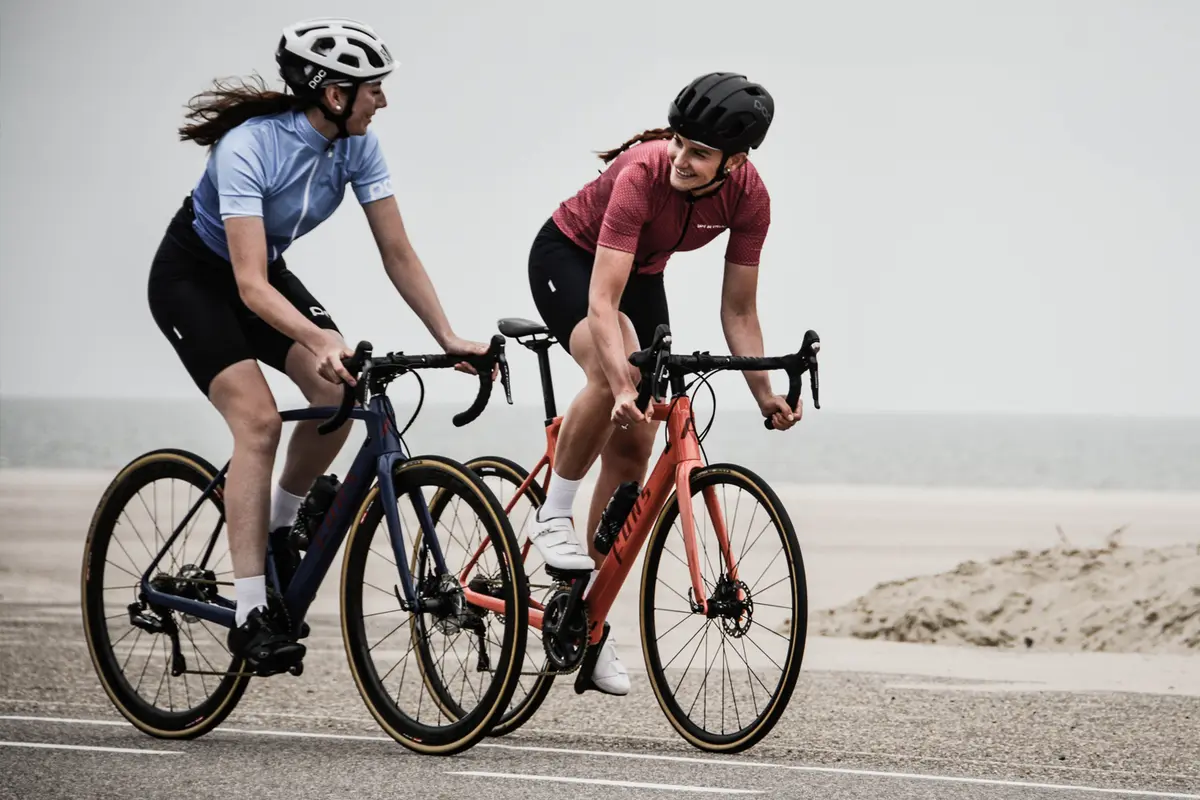
Which mobility movements fit a player's routine?
Choose movements based on what your session asked of you. Keep the range easy and the number low at first. A few comfortable repetitions are enough to make this a transition out of play rather than a second training block.
- Shoulders: Let your arms hang loosely and draw small circles with your shoulders. Reverse direction after several smooth repetitions.
- Upper body: Stand tall with feet comfortably apart and turn your chest a little to each side. Keep hips mostly facing forward.
- Hips: Hold a stable surface if needed, then shift your weight gently from side to side. Keep both feet grounded.
- Ankles: With one hand near a wall or fence for balance, lift one heel and lower it slowly. Change sides without rushing.
- Wrists and hands: Open and close your hands, then make small wrist circles without pulling on the joint.
These are general movement ideas, not a personalized plan. Pick two or three that feel appropriate and leave out the rest. For more structured movement or tape application guidance, browse the CannaTape Sport application and movement tips and follow instructions that match your needs.
How should you adjust the routine to match your playing day?
A short social game and a full day of competition do not call for identical plans. Keep the same basic framework, then scale the time and the next session to match the day.
- After a brief casual game: Walk for a few minutes, do one or two easy movements, and return to your normal day.
- After a long match or several games: Give yourself a longer quiet transition, take a break before driving if you feel tired, and plan an easier next session if your energy is low.
- During a tournament: Between games, focus on resting, sipping fluids, and staying comfortable. Save longer mobility work for after the final match.
- On a day with another workout: Consider whether the second session still fits how you feel. Reduce intensity or take a rest day when you are unusually fatigued.
Use a brief note on your phone or calendar to record match length, how the routine felt, and how ready you were the following day. After a few sessions, this can help you notice what is practical for your schedule. It need not become a detailed tracking project.
Related products

Align your physical practice with your pursuit of continuous improvement.
View product

Whether you're training, competing, or moving through your day, it’s made to keep you cool, dry, and locked in.
View productWhere can recovery products fit?
Products are optional. Start with the routine itself, then decide whether a format adds convenience to a habit you already have. CannaTape Sport is a U.S.-based athletic recovery brand with products for active people, including CBD plus high-performance kinesiology tape and complementary topical formats. Product choice should be based on fit, instructions, and your own preferences—not an expectation that one item will replace rest or thoughtful training.
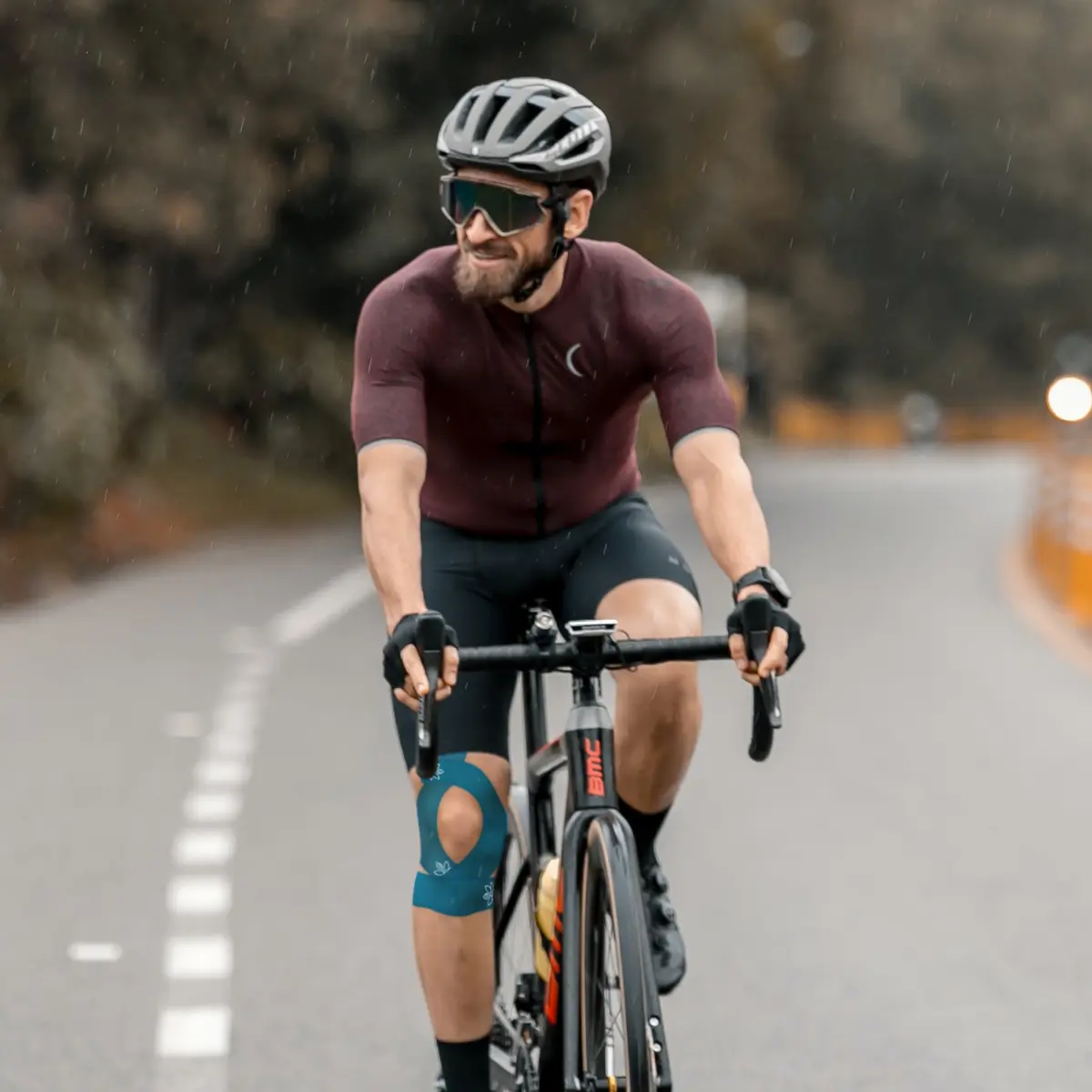
For players who want to explore a tape format, CannaTape Sport tape uses a latex-free, hypoallergenic adhesive and is designed to be worn for up to five days when applied as directed. Check the tape product details and the overview of the tape system before deciding whether it suits your preferences. The blue tape option and black tape option provide color choices. Follow the package directions and application guidance; do not apply tape over irritated or compromised skin.
Some people prefer a topical format they can use as part of a post-session routine. Review the ingredient and usage information for the recovery lotion, ProRecovery roll-on, and skin recovery balm. Read labels, consider personal sensitivities, and use only as directed. CBD products are not intoxicating, but individual preferences and circumstances differ; check with a qualified healthcare professional if you have questions about whether a product is appropriate for you.
To compare several options in one place, use the recovery collection or browse recovery kits and bundles. A runner-focused bundle such as the Run Ready Kit is designed around running, so pickleball players should review its contents and decide whether those items suit their own use rather than assuming a sport-specific match.
How can you compare common recovery choices?
Use this simple comparison to decide what belongs in your own plan. None of the optional formats is required, and basic habits remain the foundation.
- Cooldown and easy movement: No special equipment; useful as a transition after play. Choose a comfortable pace and stop if a movement does not feel right.
- Rest and everyday routines: Flexible and easy to repeat. Protect time for sleep and avoid stacking hard sessions when you are markedly tired.
- Kinesiology tape: An optional wearable format. Read the application instructions and product details, and use it only if the material and format suit you.
- Topical formats: Optional lotions, roll-ons, or balm. Compare ingredient labels, intended use, and application instructions before choosing one.
If you are new to tape, review the taping instructions library before use. For more general information about the brand's products, visit the CannaTape Sport learning center. These resources can help you make an informed product choice, but they do not replace individualized guidance.
How do you know when to play again?
There is no single schedule that fits every player. Before your next session, check whether everyday movement feels comfortable, whether you have your usual energy, and whether you can move through a gentle warm-up without needing to push through a concern. Consider the length and intensity of the prior session as well as sleep, travel, and other activity.
If you feel unusually tired, scale the next session down or take more time off. If you have a new or persistent concern, or a change that interferes with normal activity, pause strenuous play and consult a qualified healthcare professional for personal advice. A routine should make it easier to pay attention to your needs, not encourage you to ignore them.
Frequently Asked Questions
How long should a pickleball cooldown take?
Start with a few easy minutes of walking and a small number of gentle movements. Extend it after a long or demanding day if that feels useful, but do not turn the cooldown into another hard session.
Should I stretch before or after playing?
Use a gradual warm-up before play, with easy movement that prepares you for the court. After play, let your pace come down and use comfortable mobility movements. Avoid forcing a stretch in either part of the day.
Do I need a recovery product?
No. Rest, a sensible training schedule, and a repeatable cooldown can stand on their own. A product is an optional addition; review its details and instructions, then choose only if the format fits your routine.
Can I use tape for every match?
Follow the specific product directions, check that the material suits you, and remove it according to its instructions. If you are unsure about use or have a skin concern, ask a qualified professional for individualized guidance.
Make your routine easy to repeat
Pickleball recovery does not need to be elaborate. Walk a little, move gently, take care of everyday needs, and make the next training choice based on how you feel. Sean Malloy, CannaTape Sport co-founder, encourages players to keep the routine practical and consistent: give yourself room to move well, enjoy the game, and build a plan that fits real life.