What is active recovery? It is easy movement performed between or after harder training sessions, with the goal of keeping activity gentle rather than adding another demanding workout. A relaxed walk, easy spin, or comfortable mobility session can fit, depending on how you feel and what you have planned next.
Active recovery is optional, and it does not need to be elaborate. The useful test is whether the activity feels light enough to leave room for the rest of your training week. CannaTape Sport is a U.S.-based athletic recovery brand and a first mover in CBD-infused kinesiology tape for athletes and active people.
What does active recovery mean in practice?
Active recovery means choosing low-effort movement instead of another high-intensity session or complete stillness. It can happen shortly after a workout or on a separate day. The pace should let you speak comfortably, and the session should feel easier than your main training.
Examples include a leisurely walk, gentle cycling, easy pool movement, or a short mobility sequence. Choose an option that suits your schedule and feels comfortable. You do not need a special workout plan: a few minutes of easy movement may be enough to make the day feel less sedentary.
Active recovery is different from a workout disguised as recovery. If you start chasing speed, distance, or heavier effort, scale back. Keep the purpose clear: move lightly, then finish with energy left. For example, if your usual run includes hills and pace targets, choose a flat route and leave the watch’s performance screen alone for an easy-day walk.
When might active recovery fit into a training week?
Think about the demands of the sessions around it. An easy activity can fit after a hard day or between demanding workouts, while rest may be the better choice when you are tired, short on time, or simply prefer a quiet day. Your plan should respond to your own training and comfort, not a rigid rule.
- After a demanding session: Cool down with gentle movement if it feels comfortable, then return to your usual routine.
- Between hard sessions: Choose a short, low-effort activity rather than adding intensity.
- On an off day: Take a walk or do a few comfortable mobility movements if you want to stay lightly active.
- When you need rest: Skip the extra activity. Active recovery is an option, not an obligation.
Consider the week as a whole. A hard interval run followed by a demanding strength session may call for a different approach than a week of shorter, moderate workouts. Map the hard sessions first, then leave genuinely easy days between them where your schedule allows. If a proposed recovery session would make the week feel crowded, remove it rather than forcing it in.
What can active recovery look like for different athletes?
For runners
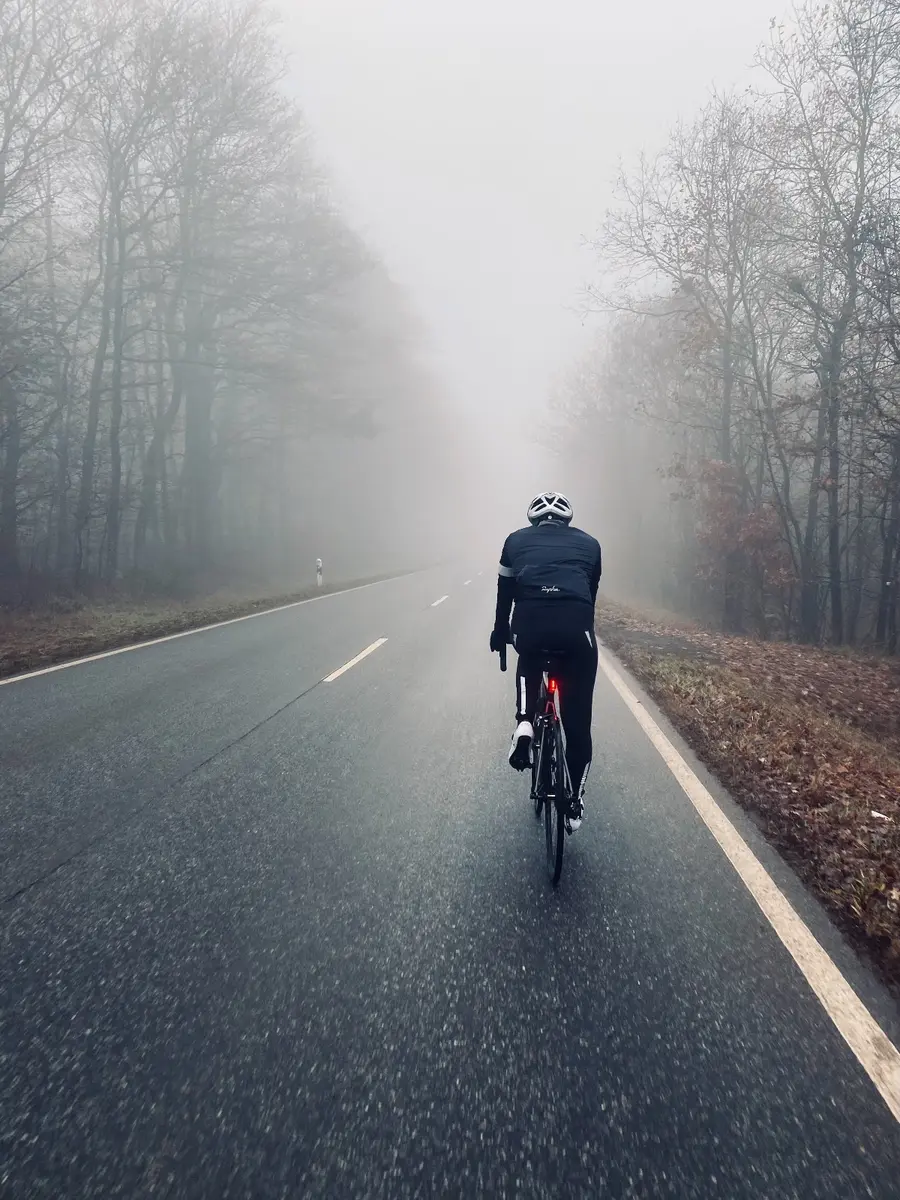
After a challenging run, try a relaxed walk or an easy spin on a stationary bike. Keep the effort conversational, and avoid turning the outing into a pace test. If another run is soon, keep the session brief and gentle. A simple example is a ten-minute neighborhood stroll later in the day instead of adding extra mileage.
Runners who use wearable support can review knee taping application guidance or browse the Run Ready Kit as part of learning about training-day formats. Product choices are personal; no item replaces an appropriate training plan.
For lifters
Between strength sessions, an easy walk or unhurried mobility practice can provide a change of pace. Keep the movements familiar and comfortable. Avoid adding heavy sets or turning a recovery day into a test of how much work you can fit in. If you trained upper body, for instance, a light walk may be a more distinct choice than repeating a long series of loaded exercises.
If wearable tape is part of your routine, start with CannaTape Sport application tips. The CBD kinesiology tape product page explains the format, while the product education page provides additional background.
For court athletes
Players in tennis, basketball, or other court sports may choose easy walking, gentle cycling, or comfortable mobility on a lighter day. A relaxed activity can be easier to fit than a full extra training session. Keep it separate from drills that demand quick changes of direction or sustained intensity. If your team has a practice tomorrow, keep today’s optional movement short enough that it does not become a second practice.
For general guidance on applying tape, see the taping instructions library. To explore options for teams or professionals, visit professional and team programs.
For everyday active adults
A short neighborhood walk, light garden tasks, or a few minutes of comfortable movement may be enough. Pick an activity that fits your day rather than setting a target that makes the routine feel like another obligation. Consistency matters more than complexity. You could walk to a nearby errand at an easy pace, take a short loop after lunch, or simply choose stairs at a comfortable speed if that suits you.
Browse the recovery kits and bundles or the recovery collection to compare formats for a personal routine. You can also read more in the Learning Center and explore more articles and stories.
Related products

High-potency, targeted application designed to deliver focused support exactly where you need it most
View product
Keep it close as part of a recovery routine built around an active lifestyle.
View product
Elevate your recovery strategy and maintain peak performance with the CannaTape Sport Recovery Kit.
View productHow can you keep active recovery comfortable?
Start with less than you think you need. Select one easy activity, keep the duration modest, and check in with yourself while moving. If the effort climbs or the activity feels uncomfortable, stop or make it gentler. This is not a day to prove fitness.
- Choose a familiar activity you can do at an easy pace.
- Set a simple boundary, such as a short walk or a few mobility movements.
- Pay attention to how the effort feels, without chasing a performance goal.
- Finish while you still feel comfortable, then continue your normal recovery habits.
To make that practical, decide on the activity and its limit before you begin. For instance: “I’ll walk around the park once, and I’ll turn back sooner if it stops feeling easy.” That gives the session a clear endpoint without demanding a fitness metric. Afterwards, consider whether the choice fit your schedule and left you ready for what comes next. If not, adjust the activity or skip it the next time.
Some athletes also use a product as one part of a broader recovery routine. CannaTape Sport offers CBD-infused kinesiology tape, roll-ons, lotion, balm, and athletic apparel. Read the information for any product you consider, follow its directions, and make choices that suit your needs. Compare the Complete Recovery Kit and Pinnacle Club System as distinct options rather than assuming one format suits every training schedule.
What is the difference between active recovery and rest?
Active recovery includes light movement; rest means taking a break from planned exercise. Both can belong in a balanced training week. An easy walk may suit one day, while a quiet day may be the more practical choice on another. You do not have to choose one approach for every week.
Use the demands of your schedule as a guide. If you feel ready for gentle movement and it fits your plans, try it. If you prefer rest, let that be enough. Avoid treating recovery as a competition or measuring its value by how much you do. A useful distinction is intention: planned training has a workload or skill aim, while easy movement is deliberately low-key and rest has no workout requirement.
When choosing, ask three quick questions: Is this activity easy enough to stay conversational? Does it fit around my next demanding session? Would I rather take a full rest day today? Any answer can guide a sensible choice. If you are unsure, choose the least demanding option and reassess later rather than adding work by default.
Frequently Asked Questions
How long should active recovery last?
There is no single duration for everyone. Start with a short, easy session and stop when it no longer feels light or comfortable. The aim is not to add a second workout; even a brief walk can be a reasonable choice.
Is walking a form of active recovery?
Yes. A relaxed walk is a straightforward example when the pace and distance feel easy for you. Keep it comfortable rather than turning it into a brisk workout, and choose a familiar route if you want to keep the effort predictable.
Can I do active recovery every day?
You can include easy movement often if it fits your routine, but you do not need to schedule it daily. Training demands, personal preference, and comfort all matter. Rest days are also valid; there is no need to fill every open spot on a calendar.
Should active recovery feel challenging?
No. It should feel noticeably easier than demanding training. If you are pushing hard, reduce the effort or choose a different activity. If even easy movement does not feel suitable, stop and rest.
Explore kinesiology tape options
Make recovery fit your week
Active recovery can be as simple as an easy walk between demanding sessions, while rest remains a useful choice whenever it fits better. Keep the effort comfortable, choose a format you enjoy, and build a routine that supports the training you want to sustain.
— Sean Malloy
Every athlete can explore recovery habits patiently and choose the details that fit their own routine.