Hard training does not require complete stillness on the following day. A short walk, easy swim, or relaxed mobility session can keep you moving without adding another demanding stimulus.
An active recovery workout is a low-intensity session designed to support comfort, mobility, and your regular training rhythm between harder efforts. Try 10 to 30 minutes of easy movement, then add gentle yoga-style stretching or light foam rolling if it feels useful. Keep the pace conversational, avoid forcing range of motion, and finish feeling better than when you started.
Shop CannaTape Sport CBD-infused kinesiology tape to support your active recovery routine.
The best choice depends on what your recent training demanded and how your body feels today. Walking may suit tired legs, while swimming offers a low-impact way to stay active. Mobility work and foam rolling can round out either option. Start by understanding the purpose of active recovery, then build a simple routine around it.
What Is an Active Recovery Workout?
An active recovery workout is an intentionally easy session that keeps you moving without adding another demanding training stimulus. Think of a relaxed walk, easy cycling, gentle swimming, or a light mobility flow. The goal is to support circulation, movement quality, and routine while giving your body space to reset between harder sessions.
Intensity matters more than the specific activity. Choose movements that feel smooth and controlled. You should be able to speak in complete sentences without gasping or needing to pause. If your breathing becomes labored, your technique changes, or the session starts to feel like a test, reduce the pace, shorten the range of motion, or stop.
Active recovery versus passive rest
Passive rest means taking a break from planned exercise. It can be the right choice after a demanding training block, when fatigue is high, or when ordinary movement feels unusually difficult. Active recovery is different because it uses gentle movement as the recovery activity. Neither option wins every time. Your training history, sleep, energy, and how your body feels that day should guide the decision.
Choose passive rest when even low-intensity movement feels unpleasant or alters your normal mechanics. Choose active recovery when you feel capable of moving comfortably but are not ready for another hard session. Keep the effort clearly below your usual workout level, and leave the session feeling better organized rather than depleted.
Why Active Recovery Supports Training Consistency
The best recovery routine is one you can repeat. An active recovery workout gives you a way to stay engaged between demanding sessions without making every day a test of maximum effort. Walking, easy cycling, gentle mobility, or a relaxed swim can keep your body moving while giving your training schedule room to breathe.
That balance matters because consistency is built through manageable decisions. If every session is intense, fatigue can make the next workout harder to approach. A lighter day offers a practical middle ground: you continue your routine, adjust the workload, and arrive at the next key session with a clearer sense of readiness.
Keep movement easy enough to repeat
An active recovery workout should feel noticeably easier than a speed session, heavy lifting day, or hard class. You might walk for 10 minutes, pedal at a conversational pace, or complete a few controlled mobility drills. The goal is not to chase a new performance milestone. It is to create a low-pressure opportunity to move, notice how your body feels, and maintain useful range of motion.
Gentle movement can help you transition out of the stiffness that often follows an unfamiliar or demanding workout. Mobility work also keeps joints moving through comfortable ranges. Choose exercises that feel smooth rather than forcing an end position. If a drill makes you brace, compensate, or change your movement pattern, reduce the range or leave it out.
Use recovery to protect the rhythm of your week
Training adaptations come from the combination of an appropriate stimulus and enough time to recover. An easy session does not replace focused training, but it can help you organize the days between harder efforts. A runner might follow a long run with an easy walk and mobility, then return to planned speed work when ready. A strength athlete might use a lighter technique session instead of repeating demanding lifts.
Track simple signals after each session: energy, mobility, sleep quality, and how the warm-up feels. Use those observations to choose between a normal workout, an easier version, or another recovery day. This flexible approach turns recovery from an afterthought into part of the training plan.
Related products

High-potency, targeted application designed to deliver focused support exactly where you need it most
View product
High-potency, targeted application designed to help support recovery exactly where you need it most
View product
Targeted support for muscles and joints to help maintain stability and confidence during movement
View product7 Active Recovery Workout Ideas for Rest Days
A rest day does not have to mean staying completely still. The best active recovery workout keeps effort low enough that you finish feeling refreshed, not drained. Use the talk test throughout: speak in full sentences, breathe comfortably, and stop before fatigue changes your technique.
- Easy walking. Take a relaxed 20 to 40 minute walk on a flat route. Keep your stride natural and your pace conversational. If a longer walk feels like too much, split it into two 10 to 20 minute outings.
- Light cycling. Ride for 20 to 30 minutes on a flat route or an indoor bike with minimal resistance. Aim for smooth, easy pedaling rather than speed or distance. Choose a gear that lets your legs turn freely.
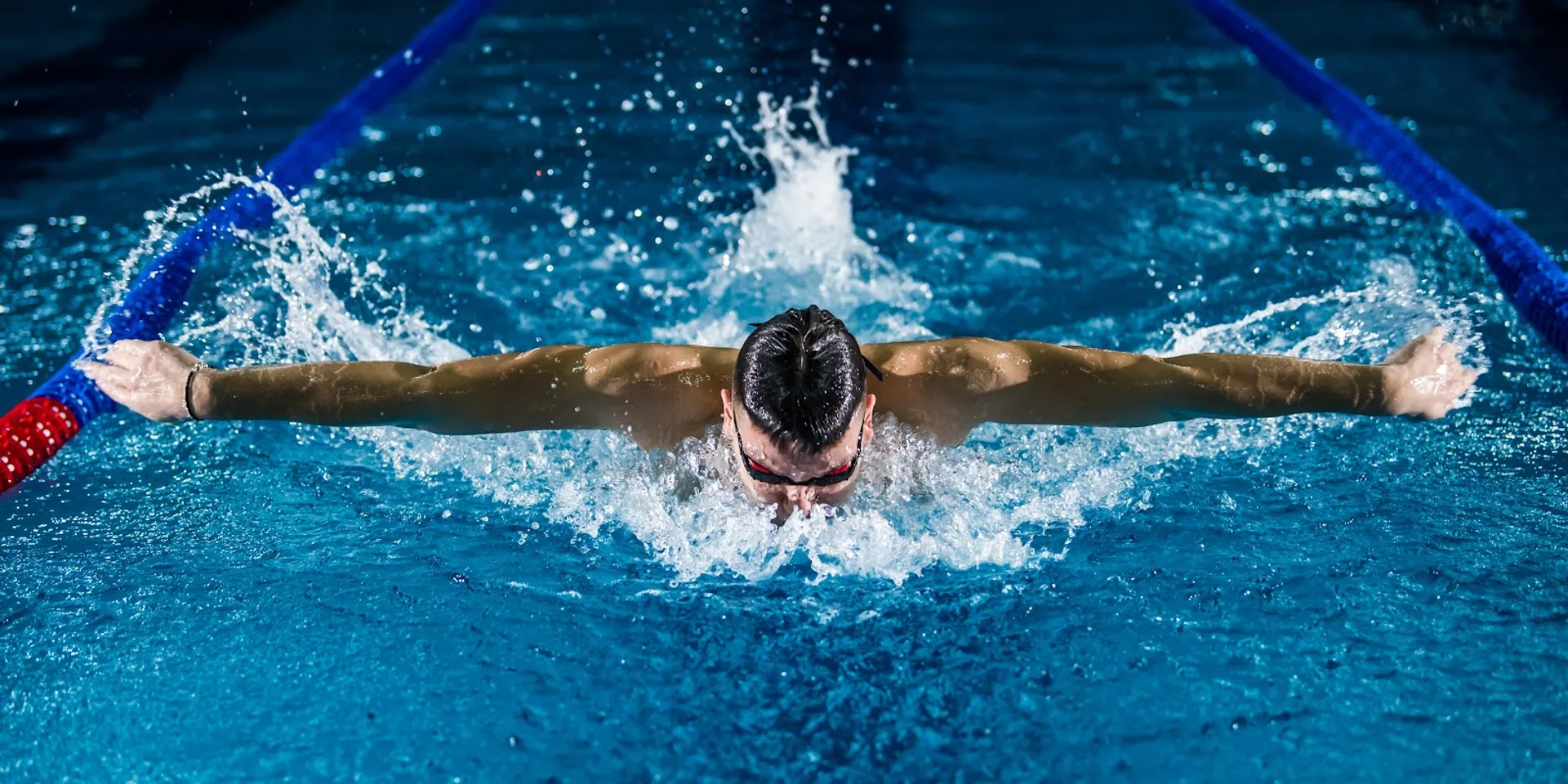
- Gentle swimming or water walking. Spend 15 to 30 minutes in the pool using easy laps, relaxed water jogging, or water walking. Focus on steady breathing and controlled movement. Skip sprint intervals and demanding strokes.
- Yoga-style stretching. Set aside 15 to 25 minutes for comfortable stretches that match how you feel that day. Try cat-cow, a low lunge, seated folds, and gentle spinal rotation. Hold each position within a comfortable range and breathe steadily.

- Full-body mobility flow. Move through 10 to 20 minutes of controlled mobility for ankles, hips, spine, shoulders, and wrists. Include ankle circles, hip hinges, thoracic rotations, arm circles, and slow bodyweight squats to a comfortable depth.
- Foam rolling. Use 5 to 10 minutes for gentle, unhurried passes over large muscle groups such as the calves, thighs, glutes, and upper back. Apply moderate pressure and keep breathing. Do not roll directly over joints.
- Light bodyweight circuit. Complete one or two easy rounds of chair squats, incline push-ups, glute bridges, standing calf raises, and a comfortable plank. Keep several repetitions in reserve. If form becomes rushed, choose walking or mobility instead.
| Activity | Typical duration | Effort cue |
|---|---|---|
| Walking | 20-40 minutes | Conversational pace |
| Light cycling | 20-30 minutes | Low resistance |
| Swimming or water walking | 15-30 minutes | Relaxed breathing |
| Mobility or yoga-style stretching | 10-25 minutes | Smooth range of motion |
| Foam rolling | 5-10 minutes | Moderate, comfortable pressure |
How Long Should an Active Recovery Workout Be?
For most people, an active recovery workout does not need to become another demanding training session. Start with 10 to 20 minutes of easy movement, then adjust the duration based on how your body responds. A relaxed walk, gentle cycling, easy swimming, or low-intensity mobility work can be enough.
Intensity matters more than chasing a specific minute count. You should be able to breathe comfortably and hold a conversation throughout the session. If 10 minutes feels like the right amount after a demanding workout, stop there. If you feel good and have time, extend the session gradually, but keep it easy.
How often should you do active recovery?
Use active recovery after especially challenging sessions when a short, low-intensity session helps you stay loose and maintain your routine. It can also fit naturally on a rest day, particularly when complete inactivity leaves you feeling stiff. Many athletes use one easy session the day after a hard strength workout, long run, intense class, or demanding sport practice.
The CDC recommends that adults build toward at least 150 minutes of moderate-intensity aerobic activity each week, along with muscle-strengthening activity on two days. Easy recovery sessions may contribute to weekly movement when their intensity qualifies, but they do not need to be forced into a moderate range. Read the CDC adult physical activity guidelines.
There is no universal recovery calendar. Individualize frequency and duration around training load, sleep, energy, and response to the previous session. If an easy walk feels harder than expected, shorten it or choose gentle mobility instead.
Building an Active Recovery Routine With CannaTape Sport
An active recovery workout works best as part of a larger routine, not as a replacement for movement, hydration, balanced meals, sleep, or sensible training pace. Keep the effort easy enough that you can move with control and finish feeling more prepared for your next session.

CannaTape Sport products can complement that foundation with practical support before, during, or after activity. The CBD + kinesiology tape uses hemp-derived CBD and a latex-free, hypoallergenic adhesive. It is designed to be non-intoxicating, and product information is supported by third-party testing. Apply it to clean, dry skin as directed.
Add topical support to your post-workout routine
A topical can add a focused step to your wind-down. The Recovery Precision Roll-On 900 offers a portable format for selected muscle groups. For a slower evening routine, explore the Recovery Lotion 1000 and follow the product directions.
The Skin Recovery Calming Balm can fit a focused skin-care step after a long day of training. Choose one option based on the moment rather than layering every product into every session.
Match the tool to the training day
On a running day, tape may fit with easy mobility before you head out, while a roll-on can be convenient afterward. On a rest-oriented day, lotion and gentle movement may feel more appropriate. The Run Ready Kit brings selected training essentials together for runners who want a simple starting point.
Active Recovery Workout Mistakes to Avoid
Going too hard
The most common mistake is turning an easy session into a test of fitness. A recovery walk becomes a power walk, a light ride becomes an interval session, or a mobility flow turns into a strength circuit. If breathing becomes labored or muscles feel increasingly tired, reduce the pace and finish early.
Skipping the warm-up
Begin with a few minutes of easy walking, relaxed cycling, or comfortable joint mobility before adding range or duration. This gives you time to notice how your body feels that day. Progress only if movement remains smooth and comfortable.
Ignoring recovery signals
A rest day should not become a hidden conditioning day. Hard hill repeats, long tempo rides, maximal circuits, and competitive games can place demands similar to a regular training session. Research on active recovery points to the importance of individualizing how it is applied, so listen to your body rather than copying someone else's routine.
If your energy continues to drop, movement quality changes, or discomfort grows, reduce the range, shorten the session, or stop. Consistency matters more than making every rest day impressive.
Frequently Asked Questions
What counts as an active recovery workout?
An active recovery workout is a low-intensity session that keeps you moving without recreating the demands of your hardest training. Walking, easy swimming, gentle cycling, mobility drills, and yoga-style stretching can all fit. Choose a pace that lets you breathe comfortably and finish feeling prepared.
How long should an active recovery workout last?
There is no universal time requirement. Start with 10 to 20 minutes and adjust based on your training schedule, energy, and response. A short walk or mobility flow may be enough between demanding sessions. Keep the effort easy and shorten the session if fatigue increases.
Is foam rolling useful on an active recovery day?
Foam rolling can be a useful optional addition, especially before mobility work. Use slow, comfortable passes over broad muscle areas rather than forcing pressure into one spot. Pair it with easy movement, sleep, meals, hydration, and sensible training progression.
Can I use kinesiology tape during active recovery?
Yes. CannaTape Sport CBD + kinesiology tape is designed for lightweight support during movement. Its adhesive is hypoallergenic and latex-free, and the tape is water and sweat resistant. Apply it as directed to clean, dry skin and remove it if your skin becomes uncomfortable.
When should I choose complete rest instead?
Choose rest when easy movement makes you feel worse, when fatigue is unusually high, or when normal technique and coordination are not available. If concerns persist or feel outside your usual training response, seek guidance from a qualified professional.
Make Active Recovery Part of Your Weekly Routine
You do not need a complicated plan to support recovery between hard sessions. Start with one easy movement you enjoy, keep the effort light, and repeat it on rest days. Over time, that consistent habit can become the foundation that helps you return to training ready to work.
Shop CannaTape Sport CBD-infused kinesiology tape and build a more practical active recovery routine.
Keep moving forward,
Sean Malloy
Co-Founder, CannaTape Sport