Muscle recovery after workout sessions starts with a few repeatable choices, not an elaborate protocol. Ease out of hard effort, drink to thirst, plan food and sleep around your day, and make a short note about how the session felt.
Explore the Complete Recovery Kit
What should you do right after a workout?
Use this simple sequence as a starting point. Adjust it to the weather, effort, and the time you have. The purpose is to make the transition from exercise to the rest of your day feel manageable.
- Lower the pace. Walk or move gently for a few minutes instead of stopping abruptly after a demanding effort.
- Drink to thirst. Keep water nearby and sip as you settle. A longer or sweatier session may mean paying closer attention to fluids and electrolytes.
- Plan food. If it fits your schedule, have a familiar meal or snack with protein and carbohydrate.
- Shift toward rest. Change out of damp clothes, set up a calm evening, and protect time for sleep.
- Write a short note. Record the activity, duration, effort, and how you feel. Use the note as information for planning, not a score.
For added background, see this review on nutrition and muscle recovery after exercise. General information can help frame choices, but personal needs differ.
How can you cool down without extending the workout?
A cooldown can be simple. Walk at an easy pace for several minutes, loosen your shoulders, and move the joints you used through a comfortable range. Runners might walk after a run; cyclists can pedal lightly before stopping; a strength session could end with a few easy movements between stations.

There is no need to turn the cooldown into another demanding block. If you prefer stretching, keep it comfortable and avoid forcing a position. The aim is to finish gradually and leave enough energy for ordinary activities. If the session was intervals or a long ride, take the extra time you need for an easy transition. After a moderate session, a few minutes may be enough.
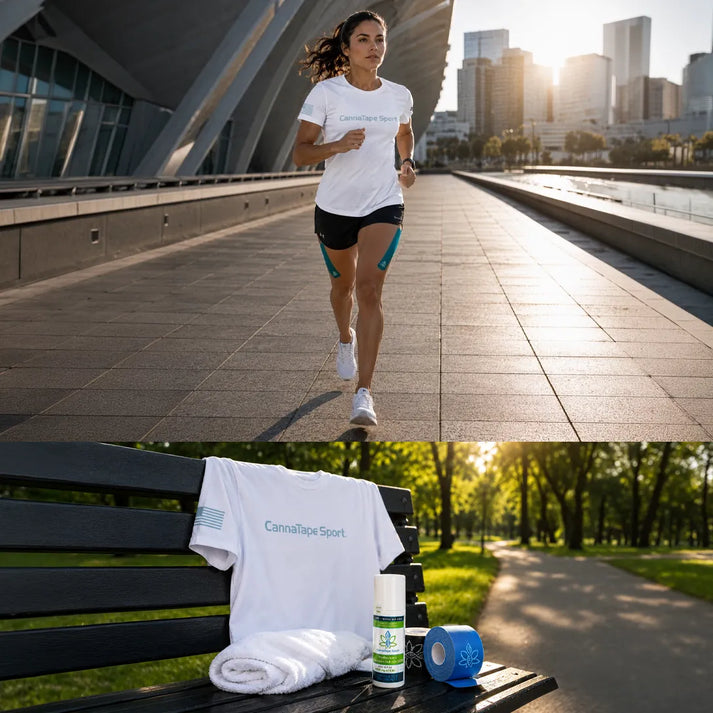
Match the finish to the setting. After a run outside, walk until breathing feels settled before heading to the car. After a home strength session, put equipment away while moving gently. If you train during a lunch break, a brief walk can mark the shift back to work. Use a pace that feels easy, rather than treating the cooldown as a final test.
How should you approach hydration and food?
Start with habits you can repeat: drink when thirsty and eat a balanced meal or snack when convenient. Protein-containing foods and carbohydrate-rich foods can both fit in a post-training meal, particularly when another session is planned soon. Personal needs vary with session length, conditions, body size, diet, and schedule.
For an everyday session, water and your usual meal may suit your routine. If a workout was long, hot, or unusually strenuous, pay closer attention to fluids and electrolytes. Avoid treating one fixed quantity as right for everyone. If you already follow a nutrition plan or have specific dietary needs, use guidance suited to you.
Planning ahead removes some guesswork without making the routine rigid. If you finish near dinner, have your usual meal with a protein source and a carbohydrate you enjoy. If the next meal is hours away, choose something portable, such as yogurt with fruit or a sandwich. Those are examples, not rules; appetite and individual needs differ.
One practical approach is to decide before training what will be available afterward. Put a snack in your bag if you have a tight schedule, or identify a meal you can make quickly when you get home. Keep the choice familiar and easy to manage. A repeatable option is often more useful than an elaborate plan you rarely follow.
What can you do to make sleep easier?
Sleep belongs in a sustainable training routine. After a late session, allow time to cool down, change, and shift into a quieter pace. Set out what you need for the next morning, reduce bright screens if that helps you unwind, and keep a regular bedtime when possible.
A short wind-down can be more realistic than trying to perfect every detail. For example, shower, have a snack if you need one, write down tomorrow’s plan, then leave training decisions for the next day. Small actions can help separate the end of a session from the start of the night.
Think about barriers you can actually change. If you often get home late, pack a change of clothes and a simple meal before leaving. If you replay the session in bed, jot down a brief note earlier so you can set it aside for the night. Choose one cue you can repeat, rather than building a complicated list.
Which training notes are worth keeping?
Keep a brief log instead of trying to remember every detail. A few lines can help you notice how different sessions fit into your week and how your energy and comfort vary.
- Activity and approximate duration
- Effort level, using an easy, moderate, or hard scale
- Sleep and general energy before training
- How the session felt during and afterward
- One detail you may adjust next time
For example, a runner might write: easy run, 35 minutes, moderate effort, felt steady, poor sleep the night before. A lifter could note the main movements, whether the planned sets felt manageable, and whether the next session should stay as scheduled or shift. Keep the note neutral. It is useful context, not a judgment.
Review notes across several sessions rather than reacting to one unusual day. If fatigue or discomfort persists, worsens, or changes how you move, pause intense training and seek individualized advice from a qualified health professional. A log can help you describe what you have noticed, but it cannot replace that guidance.
Related products
High-potency, targeted application designed to help support recovery exactly where you need it most
View product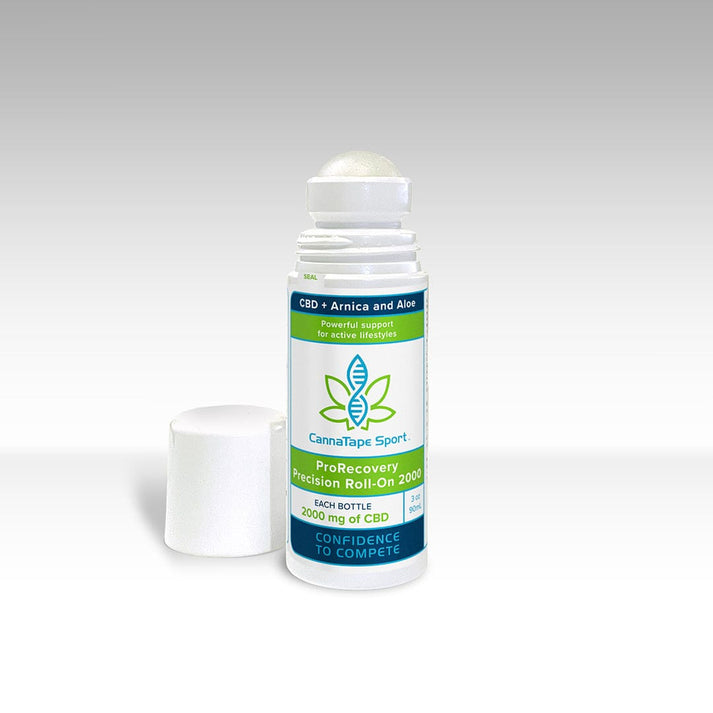
The precision roll-on format helps place the topical where you want it, without applying it across a broad area.
View product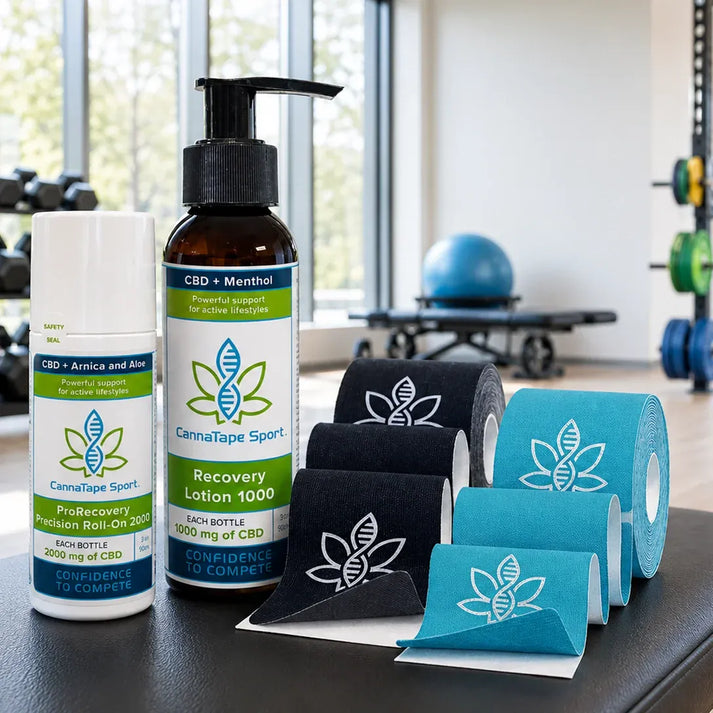
High-potency, targeted application designed to deliver focused support exactly where you need it most
View productHow do you adjust the routine to match the session?
Not every workout calls for the same response. A short, easy mobility session may need little more than a transition back to daily activities. A long outdoor session in warm weather can make fluid planning more important. A demanding strength workout may lead you to prioritize a regular meal and a quiet evening. Use the session as context instead of copying a fixed routine from someone else.
After training, ask yourself three quick questions:
- What was different today? Note unusual duration, effort, heat, or schedule.
- What do I need next? Identify a meal, fluids, a change of clothes, or a quieter evening.
- What should stay flexible? Leave room to move the next hard session if you do not feel ready.
For instance, after a demanding morning ride, you may have time to eat and rest before afternoon commitments. After a short session squeezed into lunch, a realistic plan might be water, a prepared snack, and an earlier bedtime. The useful routine is the one that fits the day and can be adjusted when circumstances change.
Planning the week can also help. Put demanding sessions on days when you can leave room afterward, then keep lighter movement flexible. If your schedule changes, avoid treating a missed step as a failure. Resume with the next practical choice: a few easy minutes of movement, fluids, and a meal that fits your day.
Where can recovery products fit?
Products are optional additions to a broader routine, not replacements for rest, thoughtful training, or professional guidance when you need it. CannaTape Sport offers a Complete Recovery Kit as one bundled option. You can compare it with the recovery bundle collection or browse the recovery collection for different formats.
For a wearable format, review the CBD kinesiology tape details and the tape application tips before use. The tape contains 10mg CBD per strip and has a latex-free, hypoallergenic adhesive. Follow its product directions and read the product information. Consider your own circumstances and applicable rules before choosing a CBD product.

Other formats include the ProRecovery Precision Roll-On and Recovery Lotion 1000. The CBD Skin Recovery Balm is another topical format to review. Read each product’s directions and ingredient details, and use it only as directed. If you are unsure whether a topical product fits your circumstances, ask an appropriate professional.
Compare formats by how they fit your routine, not by looking for a shortcut. Tape is wearable and requires careful application and attention to its directions. A roll-on or lotion may be convenient to keep in a gym bag or at home. A bundle groups selected items together and may suit someone who already wants those formats. It is also reasonable to choose no product and focus on basics such as movement, food, and rest.
If running is part of your schedule, the Run Ready Kit brings together running-oriented items. Compare its contents with what you already use before deciding whether it fits. For a broader view of gear and apparel, browse the CannaTape Sport store collection. No product format needs to be part of every person’s routine.
Before adding an option, read the label, check usage details, and consider your preferences. Do not apply a product in a way that conflicts with its directions. The right choice is individual, and it is fine to keep your routine simple.
How can you make the routine easy to repeat?
Link each step to something you already do. After your last repetition or interval, walk while putting equipment away. Keep a water bottle where you change. Add a short note before leaving the gym, then use a consistent evening cue to shift toward rest.
On busy days, keep the minimum plan small: easy movement, fluids, a meal when appropriate, and enough time to wind down. After a demanding session, give a little more attention to food, sleep, and how you feel before scheduling the next hard effort.
Test the plan on an ordinary weekday. If five steps feel like too much, select two anchors first: a gentle cooldown and a short session note. Add food and sleep cues once those habits feel natural. If a step regularly gets skipped, make it easier by placing supplies where you will use them or tying the step to an existing part of your day.
It can help to prepare a small post-training setup in advance. Put clean clothes beside your bag, decide what food will be available, and leave a notebook or phone note ready. On days when your schedule changes, use only the parts that fit. Consistency comes from a routine that can bend without becoming another source of pressure.
Frequently Asked Questions
How long should a cooldown last?
There is no single required duration. A few minutes of easy movement is a practical starting point; let comfort and the intensity of the session guide you.
Should I stretch after every workout?
Stretching is optional. If you choose to stretch, keep each movement comfortable and stop rather than pushing into sharp or increasing discomfort.
What should I eat after training?
Choose a meal or snack that suits your appetite and schedule. Protein and carbohydrate foods can both fit; your overall needs depend on the session and your circumstances.
Can a product replace rest?
No. Tape and topical products are optional parts of a routine. Rest, sensible training choices, and qualified guidance when needed remain important.
How should I use a training log?
Write a few factual notes about effort, duration, sleep, and how you felt. Review them across multiple sessions, and seek individualized advice if concerns persist or affect how you move.
Make the next step easy to repeat
Build a post-workout routine you can use again: slow down, drink to thirst, plan food and sleep, and keep a few useful notes. Choose optional products only when they fit your preferences and the rest of your plan.
Train thoughtfully and give yourself room to adjust when your body asks for a different pace. — Sean Malloy.