Exercise muscle recovery is not one stretch or product. It is a repeatable set of choices around a training session: plan a workable effort, ease out of it, eat and drink consistently, make room for sleep, and pick movement that suits the day. The goal is a routine you can keep using—not a complicated checklist that competes with training and everyday life.
Explore the Complete Recovery Kit
What belongs in a practical recovery routine?
A useful routine has a few dependable parts. Start with the shape of your training week, then consider what will help you shift from effort to the rest of your day. Regular meals and fluids, a reasonable sleep pattern, and comfortable everyday movement round out the basics. Optional gear may be convenient, but it does not replace thoughtful training or time away from hard effort.
It can help to think in three windows: before a session, just after it, and the hours between training days. There is no need to fill each window with a special technique. Instead, choose one or two realistic actions for each. A runner might prepare clothing the night before, walk for a few minutes after intervals, and plan an ordinary meal. A golfer might move comfortably before a round and leave the next morning open for an easy walk or rest.
Make the routine specific to the activity and the schedule. A long ride, a strength session, and a relaxed yoga class call for different plans. When you need help organizing optional products, browse the recovery bundle collection as one way to see coordinated choices.
How can you prepare before training?
Preparation can make the full training day feel more manageable. Consider what you have done recently, how demanding today’s session is meant to be, and what is on the calendar tomorrow. If several challenging sessions have landed close together, adjust the plan where practical. A lighter session or a day away from intense effort can be a useful choice, not a failure to follow through.
- Choose the session focus. Decide whether the day is for strength, pace, skill, or easy movement. A clear purpose makes it easier to keep the effort in line with the plan.
- Build into the activity. Begin at an easy pace, then move gradually toward the motions and intensity you expect to use. For a run, that could mean a relaxed walk and jog before faster work.
- Gather the basics. Set out clothing and familiar equipment. Bring fluids that fit the length and conditions of the session.
- Look ahead. Check your next training day. If it is demanding too, consider whether today’s duration or intensity should be more modest.
For a cyclist heading out for a long ride, a useful checklist might be clothing, water, a route plan, and a meal that fits the day. A golfer could make time for easy practice swings and a relaxed walk before the first hole. Someone with a short home strength session might simply clear a safe space, set out equipment, and begin with easier repetitions. These examples are starting points, not rigid rules.
If tape is already part of your routine, learn the product steps before the activity rather than trying to work them out in a hurry. The CannaTape Sport application guide provides product-use information. Follow the package directions and choose only familiar, suitable gear for your plans.

What are useful habits just after a session?
When the main effort ends, take a short transition before rushing into the next task. Walk, pedal easily, or move through comfortable ranges of motion for a few minutes. Keep the pace relaxed. If time is limited, a brief easy walk while gathering your belongings can be enough to mark the shift from training to the rest of the day.
Next, take care of ordinary needs. Drink in a way that suits your thirst and the conditions. Change out of damp clothing when convenient. If you are heading back to work or a family commitment, pack what you need so the transition is simple rather than hurried.
A short note can also make future sessions easier to plan. Record what you did, how demanding it felt, and anything you want to remember about the conditions or equipment. Keep the entry brief. The point is to learn from your own training pattern, not to turn every session into a detailed report.
Pay attention to how you feel. If a sensation is unusual, severe, or persistent, pause the activity and seek appropriate professional guidance rather than relying on a general routine or product. For ordinary training days, keep the post-session steps calm and consistent.
What nutrition basics fit a training day?
There is no single meal or snack that every active person needs at a precise minute. Let your usual eating pattern, the length of the session, and the next planned effort guide the choice. A convenient meal with familiar foods may work well after training. For example, yogurt and fruit, a sandwich, or a regular meal with sources of carbohydrates and protein can be practical options.
If another demanding session is scheduled soon, think ahead so food is available when you need it. That might mean packing a snack before leaving home or making dinner before a late workout. On an easy day, returning to your usual meal schedule may be all that is needed. Fluids matter throughout the day as well; keep a bottle nearby and drink to suit the conditions and your needs.
A simple plan beats chasing a perfect menu. Choose foods you enjoy and can prepare consistently. If you have specific dietary needs or questions about nutrition, get advice from a qualified professional who understands your situation.
How do sleep and daily movement fit?
Sleep creates regular time away from exercise demands. A consistent bedtime and wake time can help give the week a steady rhythm when your schedule allows. Make the room comfortable, and leave yourself a wind-down period. If late training makes it harder to settle, experiment with a calmer transition after the session and prepare tomorrow’s items earlier.
On a non-training day, gentle movement may suit you, but it should match the day’s purpose. A relaxed walk, light cycling, or a short mobility sequence can be options. Rest can also mean doing very little. You do not have to turn every open day into another workout.
Use your response to choose. If a comfortable walk leaves you feeling more settled, it may fit the day. If it adds fatigue or makes the next session feel harder, take more time away from exercise. You can find more activity ideas in the CannaTape Sport article library, then tailor them to your own routine.
How can you compare common recovery choices?
Different options serve different purposes and preferences. Use this comparison to decide what is practical for your next training day. None is a requirement, and adding more steps does not automatically make a routine better.
| Choice | Where it may fit | Simple way to use it |
|---|---|---|
| Easy movement | After a session or on a lighter day | Choose a pace that feels comfortable and keep it optional. |
| Meal and fluids | After training and across the day | Plan familiar food and drink to suit your schedule and conditions. |
| Sleep routine | Between training days | Set a steady wind-down and bedtime when possible. |
| Supportive gear | When familiar equipment makes the routine easier | Check product details and follow the instructions. |
Related products

High-potency, targeted application designed to deliver focused support exactly where you need it most
View product
Elevate your recovery strategy and maintain peak performance with the CannaTape Sport Recovery Kit.
View product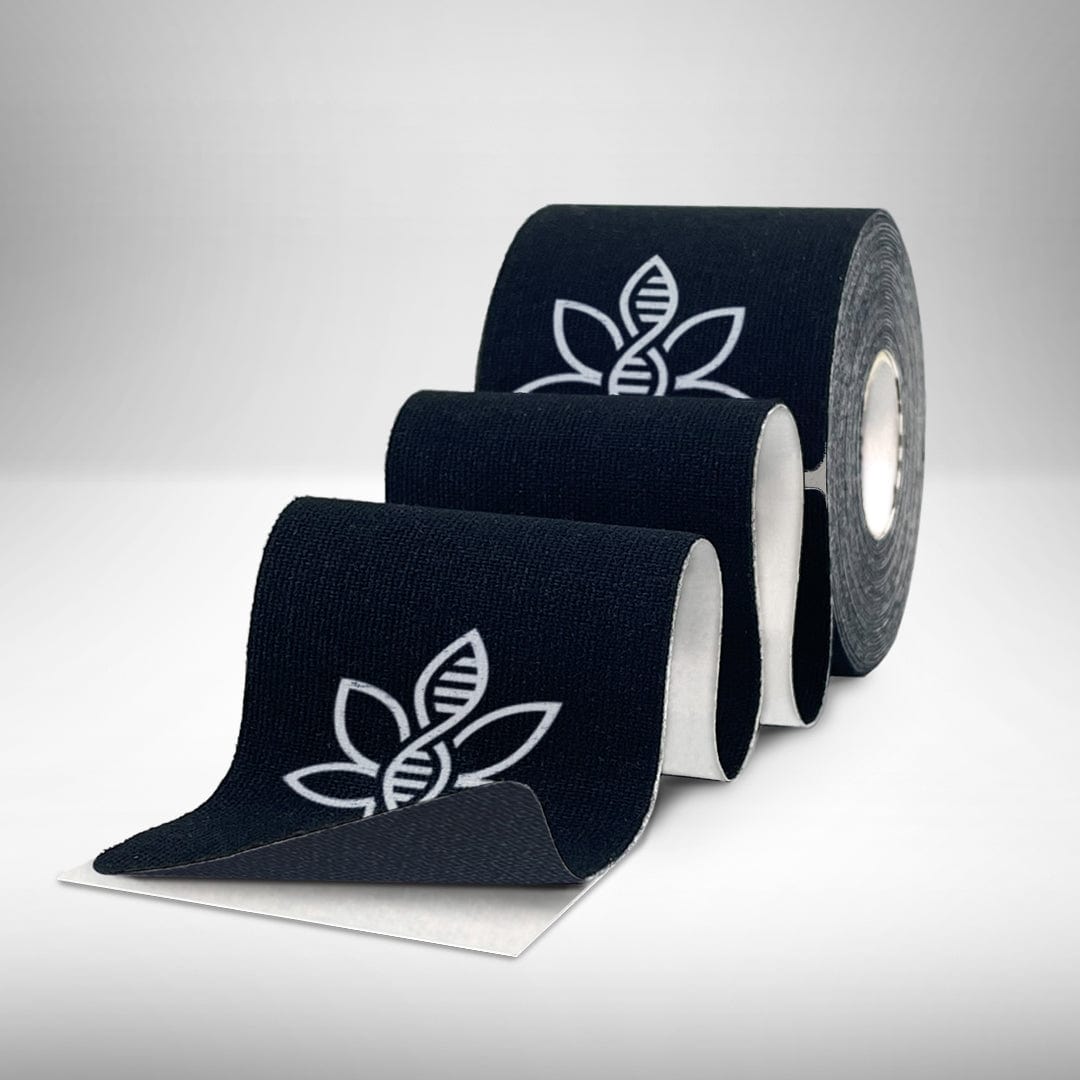
Elevate your recovery strategy and maintain peak performance with the CannaTape Sport Recovery Kit.
View productWhere can CannaTape Sport products fit?
CannaTape Sport is a U.S.-based athletic recovery brand and a first mover in CBD-infused kinesiology tape. The brand’s broader range includes tape, topical formats, and active-lifestyle gear. Products are optional pieces of a personal routine, not a shortcut or a guaranteed result. The Complete Recovery Kit offers one coordinated selection to explore.
People who prefer to consider formats separately can review black kinesiology tape, the ProRecovery Precision Roll-On 2000, or the recovery collection. Check product details and directions before deciding whether a format belongs in your routine. If you choose tape, the CannaTape product information page and application guide offer additional context.
Think about the actual moment when a product would be used. A runner who is already comfortable applying tape may set it out with socks and shoes the night before. Someone who prefers a topical format may keep it with other familiar post-session items and follow its label. If the product adds steps that make the routine harder to sustain, leave it out. The basics remain preparation, sensible training choices, everyday meals, sleep, and a pace of movement that suits the day.
For a runner with a busy morning, the Run Ready Kit is a runner-focused bundle to review alongside an individual plan. Active people exploring other gear can browse all CannaTape Sport products or look at the athletic gear and apparel collection. Choose only what suits your activity and preferences.
How can you make the routine easy to repeat?
Make each step small enough to work on an ordinary day. Put training clothes where you can find them. Keep a water bottle ready. Decide on a simple meal before a long session rather than waiting until you are tired and hungry. If you use tape or another product, keep the instructions accessible and make sure you know the steps before you start.
A short training log can help reveal patterns. Record the activity, duration, how demanding it felt, and whether you felt ready for the next planned session. You might also note sleep or unusual weather when those details seem relevant. A few words are enough. After a couple of weeks, look for practical adjustments: Are hard sessions landing too close together? Are evening workouts pushing bedtime later? Does an easier day help you approach the next session with more energy?
Change one part of the plan at a time so you can tell what feels useful. For example, if you often finish late, prepare a meal in advance for a week and see whether that makes the evening smoother. If a weekend ride leaves little room for rest, make the following morning easy. Keep notes brief and use them to guide decisions, not to judge yourself.
Flexibility matters. Work, travel, weather, and family plans can change a training week. When the full routine is not possible, choose one manageable step—perhaps an easier pace, a planned meal, or an earlier wind-down—and return to the wider plan when you can. For application reminders, revisit the tape-use tips; for coordinated options, browse the recovery bundles.
Frequently Asked Questions
How soon should I eat after exercise?
There is no universal clock that every active person must follow. Eat in line with your usual schedule and training needs. If another demanding session is soon, planning a convenient meal or snack can help you stay consistent.
Should I move or rest the day after training?
Either may suit you. Choose easy movement if it feels comfortable and does not add to fatigue; choose more rest when you need it. Let your next planned session and your own response guide the decision.
Do I need a recovery product to follow this routine?
No. Products are optional. Preparation, appropriate training choices, regular meals and fluids, sleep, and movement that suits the day can make up a routine on their own.
Can tape replace a warm-up or a balanced training plan?
No. Tape is optional gear. Continue to prepare progressively, manage your workload, and follow product directions if you choose to use it.
What if an unfamiliar sensation does not settle?
Pause the activity and seek guidance from a qualified health professional, particularly if the sensation is severe or persistent. A general routine or product cannot assess an individual concern.
Make the routine fit your training life
Build exercise muscle recovery around steady preparation, a calm transition after sessions, everyday meals, sleep, and movement that suits the day. Keep optional products in perspective, pay attention to your own response, and make the routine simple enough to repeat. I keep coming back to the basics because they leave room for real life and the activities we enjoy. — Sean Malloy.