Kinesiology Tape for Volleyball Players Guide
Every serve, block, and dive asks your shoulders, knees, and legs to respond fast. Kinesiology tape for volleyball players offers flexible support and sensory feedback without the rigid feel of traditional athletic tape, making it a practical option for practices, matches, and tournament weekends.
Shop CannaTape Sport kinesiology tape for your next practice or match.
Kinesiology tape for volleyball players provides vital sensory feedback and muscle strength during the high-impact moves required for spiking, serving, and diving. This stretchy tape mimics the skin to support joints like the shoulder and knee without limiting how you move. Athletes use kinesiology tape for volleyball players to manage minor aches from repeated activity and provide comfort during long matches. The tape lifts the skin slightly, which helps with muscle support and recovery steps. Some options include transdermal CBD to add recovery support where you need it most. Using this tool often helps you stay on the court and keep your focus on winning the next set. Providing these benefits makes the tape a smart pick for active players.
Kinesiology Tape For Volleyball Players: Why volleyball players choose kinesiology tape
Volleyball is a fast sport that demands quick moves and power. Players jump high, dive on the floor, and hit the ball with great force. These actions put a lot of stress on the muscles and joints.
Many athletes now use kinesiology tape for volleyball players to stay in the game. Unlike old-style wraps, this tape helps players move without feeling stiff or bound.
Flexible support for fast moves
Most athletic tape is stiff. It is meant to keep a joint from moving at all. This is good for a bad sprain but not for a high-speed match.
Kinesiology tape is different because it is made of stretchy cotton or man-made fibers. It moves with the skin and muscles. This lets a player reach for a serve or dive for a ball without losing their range of motion.
The tape also gives the body sensory feedback. This helps the brain track where the arms and legs are during a play. Some studies show a lack of strong proof that tape makes you jump higher.
But players use it to feel more steady during intense matches. It provides a light layer of support that does not get in the way of the game. This sense of support can give a player more confidence during a close set.
Targeted help for knees and shoulders
Volleyball players often seek muscle recovery support for their knees and shoulders. Constant jumping on hard floors can lead to minor aches.
The tape is applied in a way that gives light sensory feedback. It is a common tool for players who want added comfort after practice.
The tape is also built to handle the heat of a match. It is water-resistant and stays on even when a player sweats a lot.
It can stay in place for up to five days through showers and many games. This is helpful for long weekend meets where players have many sets. They do not have to worry about the tape peeling off when they dive for a save.
Skin comfort for long matches
Matches can last for hours and players need gear that stays comfortable. High-quality tape is latex-free and hypoallergenic.
This means it is safe for those with sensitive skin and will not cause a rash. The fabric is also breathable. This lets the skin stay cool while the player works hard on the court.
It does not trap heat or moisture against the skin like thick plastic braces can. Some players like to use CBD-infused kinesiology tape for added benefits.
This type of tape combines the physical support of a wrap with the soothing properties of CBD. It is a simple way to add a new tool to a recovery routine.
By using the tape before and after games, athletes can help their bodies feel ready for the next day of play. This allows them to focus on their play instead of their discomfort.
Where can volleyball players apply kinesiology tape?
Volleyball puts high stress on many parts of the body. Players often use kinesiology tape to give support and sensory feedback during intense matches. You can apply the tape to several key areas based on your needs on the court. Proper placement helps you stay focused on your play while managing the impact of jumping and diving.
Shoulder and arm support
Often hitting and serving can lead to minor aches in the shoulder. Many hitters apply tape to the shoulder to help with these common issues. The tape gives sensory input that can help you feel more stable during fast arm swings. Using kinesiology tape for recovery is a standard part of match-day prep for many top athletes.
You may also find it helpful to tape the wrist or forearm. These areas take a lot of force when you pass or block. Using CBD-infused kinesiology tape in these spots can give muscle support while you play. The water-resistant glue keeps the tape in place even when you sweat during a long fifth set.
Knee and lower body placement
Jumping is a big part of volleyball. This often leads to stress on the knees. Applying tape around the knee can give muscle recovery support for the tendon. This is common for players who jump many times in a weekend tournament. It is key to note that reviews show the tape does not boost speed or agility, but many find it helpful for comfort (PubMed, 2018).
The lower back and calves are other vital areas for tape placement. Diving for balls and quick side moves can tire these muscles. Kinesiology tape can be worn for up to 5 days. This makes it good for long tournaments. You should always prep your skin by making sure it is clean and dry before you apply the strips so they stay on.
Finger tape and flexible strips
While kinesiology tape is great for large muscle groups, fingers often need a different path. Most volleyball players use stiff athletic tape for their fingers. This helps keep them from bending too far back during blocks. Flexible tape does not give enough force for small joints under high impact. But you can use thin strips of kinesiology tape on the wrists for more movement than stiff tape allows.
| Body Area | Common Goal | Recommended Tape Type |
|---|---|---|
| Shoulder | Support for hitting and serving | Kinesiology tape |
| Knee | Comfort during frequent jumping | Kinesiology tape |
| Lower Back | Support for diving and twisting | Kinesiology tape |
| Fingers | Joint stability for blocking | Stiff athletic tape |
| Wrist | Better movement and support | Kinesiology tape |
The information on this website has not been evaluated by the FDA. Follow product directions and ask a qualified professional when you are unsure about application.
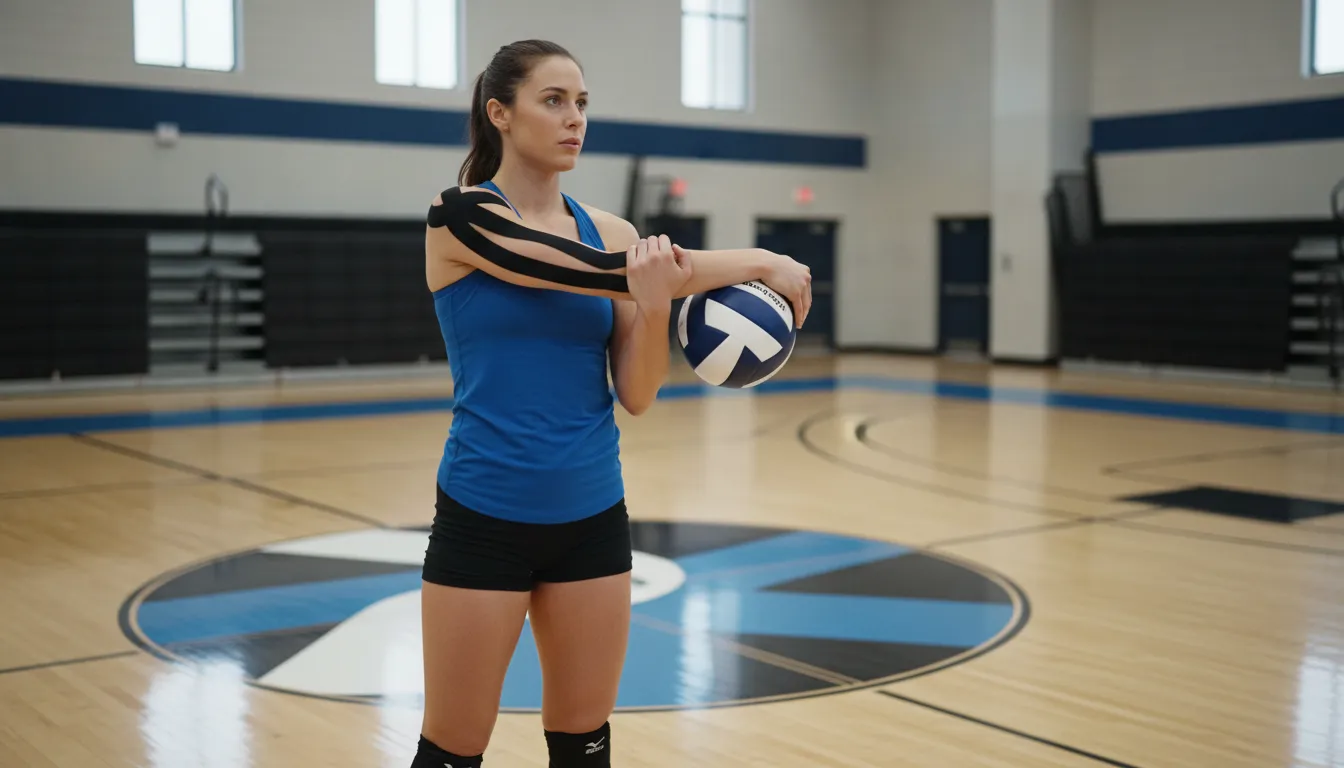
How to plan your tape application before practice or a match
Plan your prep before you hit the court so the tape can stay on during every jump and dive. When you use kinesiology tape for recovery, the bond between tape and skin must be strong. Start with a clear plan for when you will apply the tape and how long you need it to last.
Prepare your skin for the best bond
The success of your tape depends on how well it sticks. Skin should be clean, dry, and free of any oils or lotions before you start. Even a small amount of sweat can make the tape peel off during a long match. Some players use a special spray to help the tape stay in place, but simple soap and water often work best.
If you have hair on the area you want to tape, you may need to trim it first. This helps the glue grip your skin instead of your hair. This simple step can keep the tape from pulling on your skin when you move.
While many athletes find that tape helps with comfort, science is still looking into how it works. Some studies suggest there is insufficient evidence to prove it works better than other tools in a clinic. But for many on the court, the sensory feedback it gives is a helpful part of their routine. This feedback can help you stay aware of your body as you move through quick plays.
Follow these steps for a secure fit
Getting the best results with kinesiology tape for volleyball players takes focus, so you should not rush the process right before a whistle blows. Set aside about twenty minutes to get everything ready and applied. This time allows the glue to set so it does not lift when you start to sweat. Use these steps to guide your prep and make sure your tape stays put through every set and spike.
- Do a small patch test. Before you use a full strip, put a small piece of tape on your skin. Wait for a few hours to check for any redness or itch. This is a vital step to ensure your skin likes the glue before a big game.
- Clean the area well. Use soap and water to remove all dirt and oil from your skin. Dry the area with a clean towel until it is fully bone dry. Any moisture left behind can stop the tape from sticking well to your body.
- Round every corner. Use sharp scissors to cut the ends of each tape strip into a round shape. Square corners catch on your jersey or shorts easily. Rounded edges stay flat and smooth against your skin as you move and dive.
- Set the anchors with no stretch. Apply the first and last two inches of the tape without pulling it at all. These ends act as anchors that hold the rest of the strip in place. Stretching the anchors can cause a skin rash or make the tape peel off early.
- Check your range of motion. Once the tape is on, move your limb through its full range. You should feel support but not feel like your move is blocked. If the tape feels too tight, you may need to take it off and try a new piece.
- Remove the tape slowly. When the match is over, do not rip the tape off like a bandage. Use baby oil or a special spray to break down the glue first. Pull the tape back in the same way that your hair grows to keep your skin safe.
Time your tape use for peak play
The timing of your tape use is just as vital as the method you use. You should aim to apply your tape at least thirty to sixty minutes before you start to warm up. This gap gives the glue enough time to bond with your skin. If you wait until you are already sweating, the tape will not stick for long.
A good bond allows the tape to last through multiple days of play if needed. Volleyball involves a lot of quick turns and high jumps that test the tape. The CBD-infused kinesiology tape is made to handle these intense moves. It is water-resistant and can stay on for up to five days.
By planning your prep well, you can focus on the score instead of worrying that your tape will peel off mid-game. This simple routine can help how you feel on the court.
Practice, match, and tournament tape planning
Planning your tape use is key for a long volleyball season. Different levels of play need different setups. Whether you are at a weekday practice or a three-day event, your tape should help you move well. Using kinesiology tape for volleyball players lets you focus on the game. Proper timing and use keep your muscles supported through every set.
Support for daily practice
Practice is the best time to test your taping skills. Use these sessions to find the best pull for your shoulders or knees. You want enough tension for support but not so much that it limits your reach. Since tape can stay on for up to five days, one taping may last through several practices. This long wear helps you stay steady in your training plan without a daily reset.
Some athletes use tape to help with body sense during drills. It gives feedback that can be useful during repetitive hitting and serving. While some studies show limited clinical proof for tape over other tools, many players find it helpful for comfort. Practice also lets you check for any skin issues before a big match.
Match day and tournament tactics
Match day needs a fresh look at your support needs. Apply your tape at least an hour before you warm up so the glue sets well. For long events, you may need to pack extra rolls in your bag. The total impact of many matches often places high stress on the lower back. Check your tape for peeling between games and replace any strips that lose their grip.
Tournaments can be long and sweaty. Make sure your skin is clean and dry before you put on new strips. If you play many games in a row, look for wear on spots like the fingers or ankles. Keeping a small kit with scissors and extra strips ensures you are ready for any change. This smart plan helps you keep your focus on the court.
Post-activity recovery routines
Your recovery starts the moment the final whistle blows. Many players keep their tape on for active recovery after the game. The transdermal CBD in the tape works to give muscle recovery support long after you leave the gym. This steady support helps manage everyday soreness from hard play.
Once you remove the tape, you can switch to other recovery tools. CBD roll-ons or lotions are great for targeting specific spots that feel tight. Always follow the maker's guide when using more than one product together. A steady recovery plan keeps your body ready for the next time you step on the court.
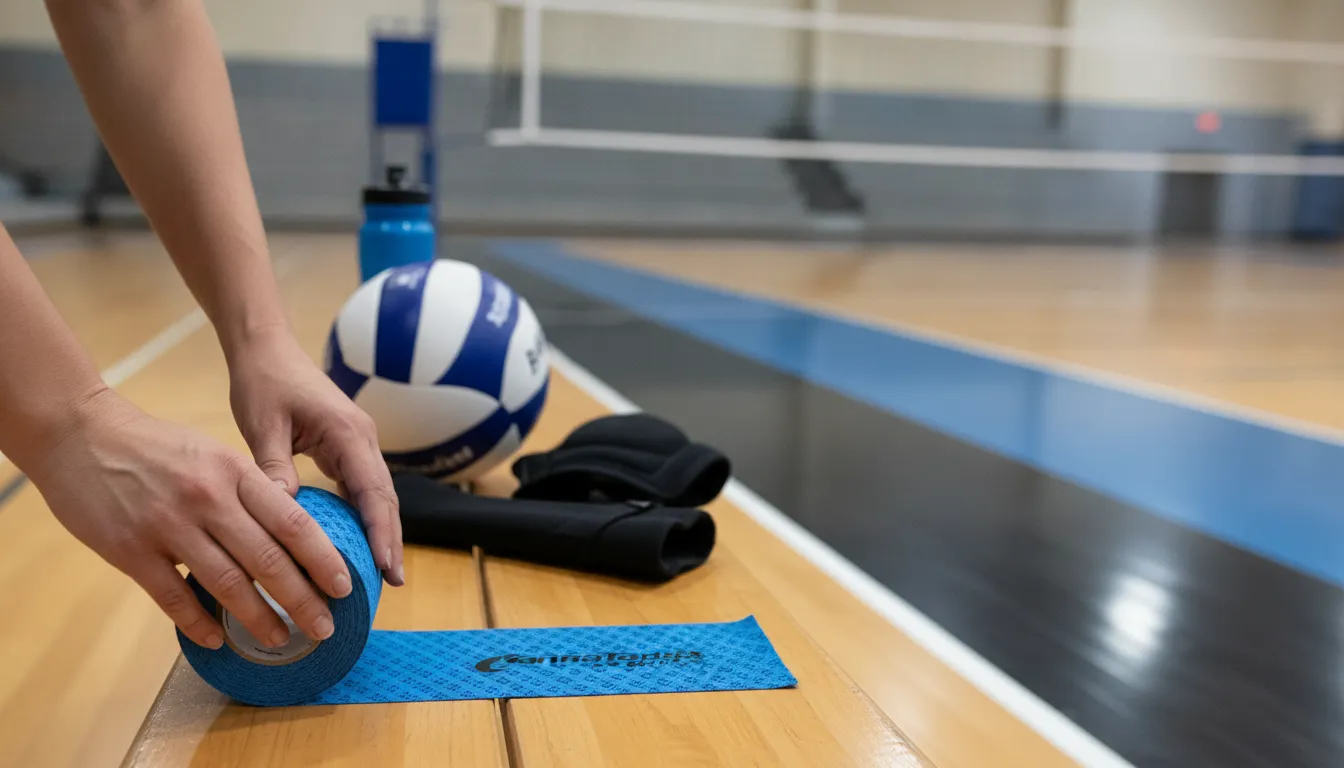
Choose black CBD kinesiology tape for flexible support during your volleyball routine.
Choosing CBD-infused kinesiology tape for your routine
Finding the right kinesiology tape for volleyball players can change how you feel on the court. You need a tape that stays on during fast moves and hard jumps. CannaTape Sport offers a new choice by adding CBD straight into the tape. This design helps you get through long games with more comfort. It lets you focus on the ball instead of your gear.
How CBD-infused tape works
Our CBD-infused kinesiology tape gives support while giving you the help of hemp. Each strip has 10mg of CBD. The tape uses a new way to help the CBD move through your skin. This way lets the CBD reach your muscles more deeply than plain creams. It works as you move, dive, and jump during the match.
When you use this tape, you get two kinds of help at once. The tape holds your joints in place during play. At the same time, the CBD works to support your muscle recovery. It is a smart way to help your body's needs during a busy season. You can keep your focus on your team and the next play.
Safety and skin comfort on the court
Volleyball players often have skin that gets sore from sweat and rubbing. Our tape uses a latex-free glue that is gentle on your skin. This hypoallergenic glue cuts the risk of red marks or rashes after a long match. You can focus on your serve instead of itchy skin. It stays smooth even when you dive for a low ball.
Safety also means knowing what is in your goods. All our items have 0% THC and will not make you feel high. We use lab tests to show that our tape is safe for all athletes. While some studies on kinesiology tape show mixed results in labs, many players find it helps with sensory feedback. Knowing your tape is clean and safe lets you play without worry.
Long wear for tournament weekends
A big match can last a long time, and a tournament can last all weekend. You need a tape that does not peel off when you sweat or hit the floor. Our tape is water-proof and can stay in place for up to five days. You do not have to put on new tape before every single game. This saves you time and stress when the stakes are high.
This long wear makes it easy to plan your recovery routine. You can apply the tape once and keep it on through showers and many matches. It stays strong so you can stay fast on your feet. Choosing this tape means less time fixing gear and more time playing at your best. It is a tool that works as hard as you do on the court.
How should players check comfort and remove tape?
Volleyball players need to stay mobile on the court. Using kinesiology tape for volleyball players helps support the body during high-impact moves like jumping and diving. But you must ensure the tape feels right while you play. A good fit allows you to move with ease and keeps your skin happy through every set. Proper care before and after your match helps you get the most out of your recovery tools.
Checking your comfort during play
When you first put on the tape, move your limbs to test the tension. It should feel like a second skin that moves with you. If you feel a sharp tug or if your skin turns red, the tape may be too tight. You want the tape to give kinesiology tape for recovery support without limiting your range of motion. During a long game, check the edges of the strips after each match. If the ends roll up, you can press them down or trim the loose parts. This prevents the tape from catching on your jersey or knee pads. If the tape feels itchy or hot, take it off to let your skin breathe. Keeping your skin clean and dry before use will help it stay in place better.
When to remove the tape
You can wear this special tape for several days. Most athletes find that the tape can be worn up to 5 days before it needs to be replaced. However, listen to your body and look for signs that it is time for a change. If the tape becomes dirty or loses its stretch, it will not provide the same level of support. Fresh tape ensures you have the right amount of sensory feedback for your next game. Remove the tape if you notice skin irritation or if the support feels weak. Even with latex-free adhesives, skin needs a break. Some research noted that there is insufficient evidence to favor tape over other clinical methods. Still, many players find it helpful for active recovery during frequent motions like hitting and serving.
Simple steps for easy removal
Removing the tape is as important as putting it on. Never rip the tape off quickly like a bandage. This can pull at your skin and cause redness or small tears. Instead, peel the tape back slowly in the direction of your hair growth. This keeps the process gentle and protects your skin. You can also use a bit of baby oil or lotion to help break down the adhesive if the tape is stuck fast. After you take the tape off, wash the area with mild soap and water. This removes any leftover adhesive and keeps your skin clear. You can then add a CBD-infused kinesiology tape strip or use a recovery balm. Adding these steps to your routine helps you stay ready for the next match.
Frequently Asked Questions
Why do volleyball players wear kinesiology tape on their shoulders?
Volleyball players often put tape on their shoulders to help with the stress of hitting and serving. The tape provides touch feedback to the brain. This helps the player feel where their joint is during fast moves. According to CannaTape Sport, this tape helps support frequent arm swings and can ease minor aches. It does not fix deep issues but makes the shoulder feel more stable during a match.
Can kinesiology tape help with jumper's knee in volleyball?
Frequent jumps and landings can leave a player's knees feeling tired. Kinesiology tape can give light support and sensory feedback around the knee. Research from the National Institutes of Health notes that evidence is limited, so tape should be one part of a balanced routine. Players often use it for added support during long games or practices.
How should volleyball players tape their fingers?
Volleyball players often use stiff athletic tape on their fingers during blocks and sets. Finger taping is different from flexible kinesiology tape application. Ask a coach, trainer, or qualified professional for help choosing and applying finger tape. Any tape should feel comfortable and should not limit normal movement.
How long can volleyball players leave kinesiology tape on?
Most players can wear the tape for three to five days. It is made to stay on through sweat and showers during a match. High-quality tape uses a strong glue that is safe for the skin. If the tape starts to peel at the edges, you should take it off and apply a new strip. Always clean and dry your skin before you put it on to make sure it sticks well for the full time.
Ready to stay on the court and improve your game?
Waiting to fix your support routine can lead to more fatigue and missed time on the court. Every day you play without proper support is a risk of extra strain that slows you down. You can start feeling the change in your next practice if you act now. Steady care means you stay in the match longer and recover faster after the final point. Do not let minor soreness turn into long breaks from the sport you love. Using the right tools like kinesiology tape for recovery now helps you maintain your speed and power when it matters most. You get better results when you give your body what it needs to handle the stress of jumping and diving. When you choose to wait, you lose the chance to build a better base for your athletic goals. Taking this simple step to request your tools today ensures you are ready for every set and spike.
Ready to build your volleyball support routine? Shop kinesiology tape for your next practice or match.