Knowing what helps with muscle soreness after exercise can make the day after a hard session feel more manageable. Instead of chasing one dramatic fix, use a repeatable plan that lowers training demand. Keep comfortable movement in your day, and give sleep, food, and hydration time to support your next effort.
What helps with muscle soreness is a combination of easy movement, adequate fluids and meals, quality sleep, gentle mobility, and optional topical or tape-based support. Start with 5 to 15 minutes of comfortable activity, avoid repeating the hardest workout, and adjust the plan based on how you feel. The goal is to support recovery without turning a lighter day into another intense session.
Shop CannaTape Sport CBD-infused kinesiology tape for a training-friendly recovery support option.
What Helps With Muscle Soreness After Exercise?
The most useful answer is usually a recovery routine, not a single technique. After a new, longer, or harder workout, exercise-related soreness can become more noticeable later rather than immediately. A delayed pattern is common after unfamiliar effort, so the next morning may require a different plan than the hour immediately after training. The Mayo Clinic Press guide to workout recovery also emphasizes ordinary habits such as hydration, nutrition, and sleep.
Use a simple decision rule: choose an option that lets you move smoothly, breathe comfortably, and finish with energy still available. If an activity makes you feel noticeably worse, reduce the duration or choose a quieter option. This approach is different from ignoring feedback or trying to prove that you can repeat yesterday's effort.
Start by changing the training demand
If your legs feel heavy after intervals, choose a walk or easy spin instead of another speed session. If your shoulders feel worked after upper-body training, use gentle range-of-motion drills and skip another high-load pressing session. If your whole body feels depleted, a brief walk followed by food and rest may be more useful than a structured workout.
Keep the intensity low enough for a normal conversation. There is no performance benefit to making a recovery session secretly difficult. The win is consistency: you give your body a lower-demand day while protecting the rhythm that helps you return to training with better preparation.
Use feedback instead of a rigid checklist
Two athletes can complete the same class and need different next-day plans. Training age, sleep, nutrition, recent workload, travel, and the novelty of an exercise can all change how a session feels. Record a few useful signals, such as energy, stiffness, sleep quality, and willingness to move. Over time, that simple log can show when you need more gradual progression or an extra easy day.
How Can You Build a 24-Hour Recovery Routine?
A practical routine works best when it fits around real life. You do not need to reserve an entire day for recovery. Instead, place a few low-friction actions at points when you already pause, eat, commute, or prepare for bed. The following schedule gives you a starting point that can be adjusted for running, strength work, cycling, court sports, or mixed training.
- Check your energy and movement in the morning before adding activity.
- Use brief movement breaks during the day, then match activity to your feedback.
- Eat a balanced meal, drink fluids steadily, and protect your evening sleep window.
- Choose mobility or topical support only if it feels comfortable and fits the day's training demand.
- Reassess before the next hard session and reduce the load when your feedback is worse.
| Time. | Focus. | Simple option. |
|---|---|---|
| Morning. | Check readiness. | Notice energy and stiffness, drink fluids, and take a short easy walk if comfortable. |
| Midday. | Restore movement. | Take brief movement breaks and complete a few controlled mobility drills. |
| Afternoon. | Match activity to feedback. | Choose a light walk, relaxed cycle, easy swim, or rest rather than another hard session. |
| Evening. | Prepare for sleep. | Eat a balanced meal, reduce late stimulation, and protect a consistent bedtime. |
Morning: assess before you add activity
Before reaching for a workout plan, take a minute to notice how you are moving. Can you walk normally? Can you climb a few stairs without changing your technique? Does a gentle warm-up make you feel more comfortable, or does it make you feel more depleted? Those answers can guide the day's choice better than a preset rule.
If a short walk feels good, keep it short. A five-minute test is enough to gather information. You can always add another brief walk later, but you cannot undo a session that asked for too much.
Midday: break up long periods of stillness
Desk work, driving, and travel can make an already stiff day feel more difficult. Set a natural reminder to stand, change position, walk around the room, or perform slow ankle, hip, shoulder, or upper-back movements. These breaks are not workouts. They are small opportunities to keep comfortable movement available without adding meaningful training load.
Evening: make sleep the anchor
Sleep is easy to overlook because it does not feel like an active task. Treat it as part of the training plan. Keep your bedtime reasonably consistent, make the room comfortable, and give yourself enough time to wind down. A calm evening routine can be more sustainable than adding another recovery product or technique to a crowded schedule.
Related products

10 mg of Transdermal CBD (from Hemp) and White Willow Bark Extract per strip
View product →
High-potency, targeted application designed to help support recovery exactly where you need it most
View product →
10 mg of Transdermal CBD (from Hemp) and White Willow Bark Extract per strip
View product →Why Do Hydration, Food, and Sleep Belong in the Plan?
Recovery is not only about what you do with your muscles. Fluids, meals, and sleep help create the conditions for your body to handle the work you ask of it. The right amount varies with body size, climate, session length, sweat rate, and personal needs, so avoid treating a universal number as a requirement.
Hydration: replace what your session demanded
Drink regularly through the day and pay attention to conditions that increase fluid needs, such as heat, humidity, long sessions, or heavy sweating. Water may be enough for ordinary training. For longer or hotter sessions, an athlete may also consider a beverage or meal that replaces electrolytes, depending on individual needs and guidance from a qualified professional.
A useful habit is to begin hydrating before you feel behind. Keep a bottle where you train or work, take fluids with meals, and check whether your energy and concentration improve when you stay consistent. Do not force large amounts quickly. Comfortable, steady intake is easier to maintain.
Food: give the next session a foundation
Build meals around foods you tolerate well and can prepare consistently. A plate with a protein source, carbohydrate-rich food, colorful produce, and a source of dietary fat can support an active lifestyle. After a demanding session, a snack may be more realistic than a full meal. Yogurt and fruit, a sandwich, oats with a protein source, or another familiar option can bridge the gap until you eat.
There is no need to make recovery food complicated. The best choice is one you enjoy, digest comfortably, and can repeat. If you have a specific nutrition need, dietary restriction, or performance goal, ask a qualified dietitian or healthcare professional for individual guidance.
Sleep: protect the quiet part of recovery
Sleep quality can influence how ready you feel for the next session. Keep the basics consistent: a regular schedule, a comfortable environment, and a wind-down period that limits unnecessary stimulation. When training volume rises, schedule sleep with the same intention you give to workouts.
If sleep was poor, let that information change the plan. A lower-intensity day is often more sensible than forcing a demanding session when you are already running low on energy.
Which Low-Intensity Movement Fits Your Training Day?
There is no single best recovery activity. The right choice is the one that matches the areas you trained and feels easy enough to leave you prepared for the rest of the day. Use the table below to compare practical options without turning them into a competition.
| Option. | Best fit. | Starting point. |
|---|---|---|
| Easy walk. | Tired legs, general stiffness, or a low-energy day. | 5 to 20 minutes on a comfortable, mostly flat route. |
| Relaxed cycling. | Athletes who like steady movement with adjustable resistance. | 10 to 25 minutes with light resistance. |
| Easy swim. | People who prefer low-impact movement and already swim comfortably. | 10 to 20 minutes with relaxed technique. |
| Gentle mobility. | Areas that feel restricted after sitting or repetitive training. | 5 to 10 minutes of controlled, comfortable range. |
Keep the talk test honest
During a recovery session, you should be able to speak in complete sentences. If breathing becomes labored, resistance rises, or you start chasing pace, back off. A heart-rate target can be useful for some athletes, but perceived effort and movement quality are practical tools that work without special equipment.
Choose a different pattern from yesterday's hardest work
Recovery movement should not repeat the same demand in disguise. After a long run, walk or use gentle mobility rather than adding more running. After a demanding ride, take an easy walk or relax completely. After a strength session, move through comfortable ranges without recreating the loaded pattern.
How Can Mobility Support Comfortable Movement?

Mobility work is most useful when it is controlled and specific. It does not need to be an aggressive stretching session. Start with small movements, breathe normally, and gradually explore a range that feels comfortable. The objective is to make everyday movement feel easier, not to force a dramatic increase in flexibility.
Use a short sequence
Try slow ankle circles, heel raises, controlled hip rotations, gentle thoracic rotations, shoulder rolls, and easy arm reaches. Pick two or three movements connected to the session you completed. Perform a few calm repetitions, pause, and reassess. If the movement feels smooth, you can continue. If it feels sharp or increasingly uncomfortable, stop and select another option.
Foam rolling can be included if you enjoy it, but it is optional. Use light pressure and a short duration. It should not become a test of tolerance or leave you feeling more worked than before.
Pair mobility with ordinary movement
Mobility drills are easier to remember when connected to an existing habit. Complete a few shoulder movements after making coffee, ankle movements before a walk, or gentle hip movements after a long drive. Small doses can be more useful than an occasional long session that you cannot repeat.
Where Do Topicals and Tape Fit in a Recovery Routine?
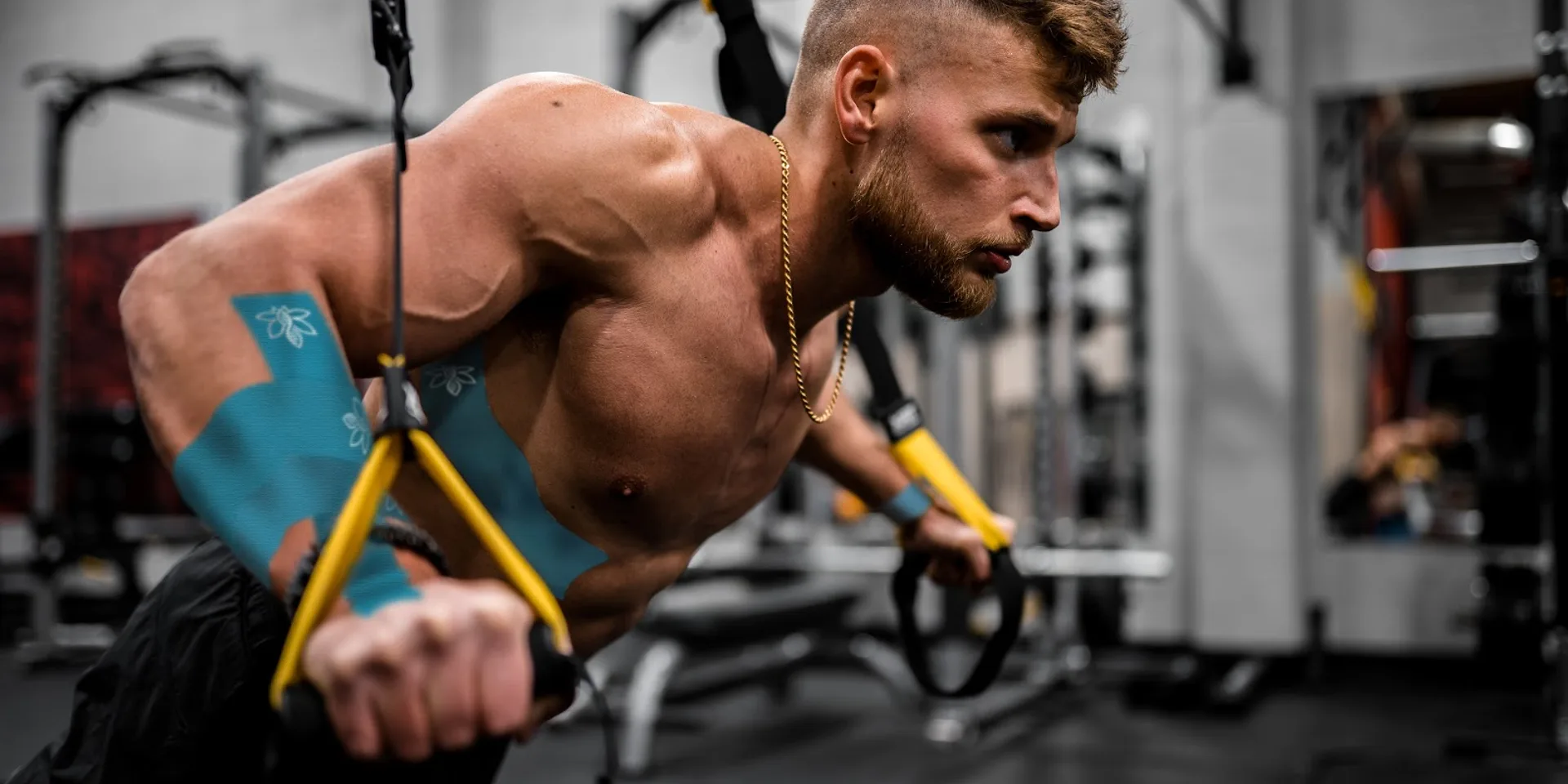
Topicals and tape can complement the basics when used as support tools rather than substitutes for sleep, food, hydration, and sensible training changes. Choose products according to the activity ahead, the area you want to support, and your personal skin preferences. Follow the product directions and test a small area first if you are trying something new.
When a topical may be convenient
A roll-on or lotion can fit into a post-workout routine when you want a portable option that is easy to apply to a specific area. CannaTape Sport's Recovery Lotion 1000 is a targeted product page to review alongside your regular routine. The Recovery Precision Roll-On 900 offers another portable format for athletes who prefer a roll-on application.
Topical support is personal. Stop using a product if your skin reacts, and follow the label. Products applied to the skin do not replace individualized care when your training response is unusual or worsening.
When tape may fit an active day
Kinesiology tape can be useful when you want a wearable support option during movement. CannaTape Sport CBD + Kinesiology Tape is available in black and blue and uses a latex-free adhesive. Each strip contains 10mg of hemp-derived CBD and may be worn for up to five days when applied as directed. Review the live CBD kinesiology tape product page for current application information.
Apply tape to clean, dry skin and follow the supplied guidance. It should feel supportive and comfortable, not restrictive. Remove it if the skin becomes irritated or the tape changes how you move. If you are unsure about application, ask a qualified professional who understands your sport and movement needs.
CannaTape Sport products are hemp-derived and non-intoxicating. Product information and testing details are available through the company's CBD certificate of analysis page. Always review current product information, especially if you participate in an organized sport with its own testing policies.
Explore Recovery Lotion 1000 and build the topical support step into your next post-workout routine.
When Should You Adjust the Plan or Take a Rest Day?
Use your response as a reason to adjust, not as a challenge to override. If ordinary activity feels increasingly difficult, your energy is unusually low, or discomfort is severe. Unusual, or not settling as expected, choose rest and seek guidance from a qualified healthcare professional. The same applies when your movement pattern changes or you cannot complete normal daily activities comfortably.
A lighter day can mean a short walk, a few mobility drills, or no planned activity at all. Rest is not a failed workout. It is a way to make room for your next decision when your current feedback says that more training would not be useful.
As you return to harder sessions, change one variable at a time. Add duration before intensity, or add one training day before adding more volume to every session. A gradual approach makes it easier to identify what your body handles well.
What Helps With Muscle Soreness When You Need a Simple Plan?
The most sustainable plan is the one you can use without turning recovery into another assignment. Put the basics first, then choose one optional support that matches your day. This keeps the focus on a repeatable routine rather than a long list of products or techniques.
Build the routine around your next decision
Start with a movement check, fluids, a balanced meal or snack, and a protected sleep window. Add a short walk or mobility sequence only when it feels comfortable. If the next hard session still feels like too much, lower its duration or intensity instead of forcing the original plan. This decision framework belongs to soreness-aware training, not to a standalone workout program.
Frequently Asked Questions
How soon after training should I start recovery habits?
You can begin with ordinary habits as soon as they fit your schedule. Drink fluids, eat a familiar meal or snack, change out of damp clothing, and take a brief easy walk if it feels comfortable. There is no need to force a complicated sequence immediately after every session. Consistency across the next day matters more than perfect timing.
Is it okay to train while I am still sore?
It depends on how you move and how you feel. If a low-intensity warm-up makes movement easier and your technique stays normal, choose a lighter session or train a different pattern. If you feel worse as you warm up, your energy is unusually low, or normal movement is difficult, take a rest day and consider professional guidance.
Does stretching have to be part of recovery?
No. Gentle mobility can be useful, but it is only one option. Walking, easy cycling, swimming, hydration, balanced meals, and sleep may be more practical on a given day. Use the movements you can perform calmly and consistently. Avoid forcing a range that feels sharp or increasingly uncomfortable.
Can I combine tape with a topical product?
Follow each product's instructions and do not apply lotion or roll-on beneath adhesive unless the label specifically permits it. Tape needs clean, dry skin to adhere properly. You can use topical support at a separate time or on a different area when appropriate. Stop if your skin reacts, and ask a qualified professional if you have questions about combining products.
What is the simplest recovery routine for a busy athlete?
Start with a five-minute movement check, drink fluids, eat a balanced meal or snack, and protect your next sleep window. If you feel better after the check, add a short walk or gentle mobility sequence. If you feel worse, remove the extra activity and choose rest. A simple plan you repeat is more useful than a long routine you abandon.
A note from Sean Malloy: Your training routine should help you stay active for the long run. Pay attention to the small choices that make movement feel more comfortable, then keep the ones that fit your life.
Shop CannaTape Sport recovery support for your next training day.